Atmospheric Moisture
I. MOISTURE CONCEPTS AND TERMINOLOGY
A. General Terminology
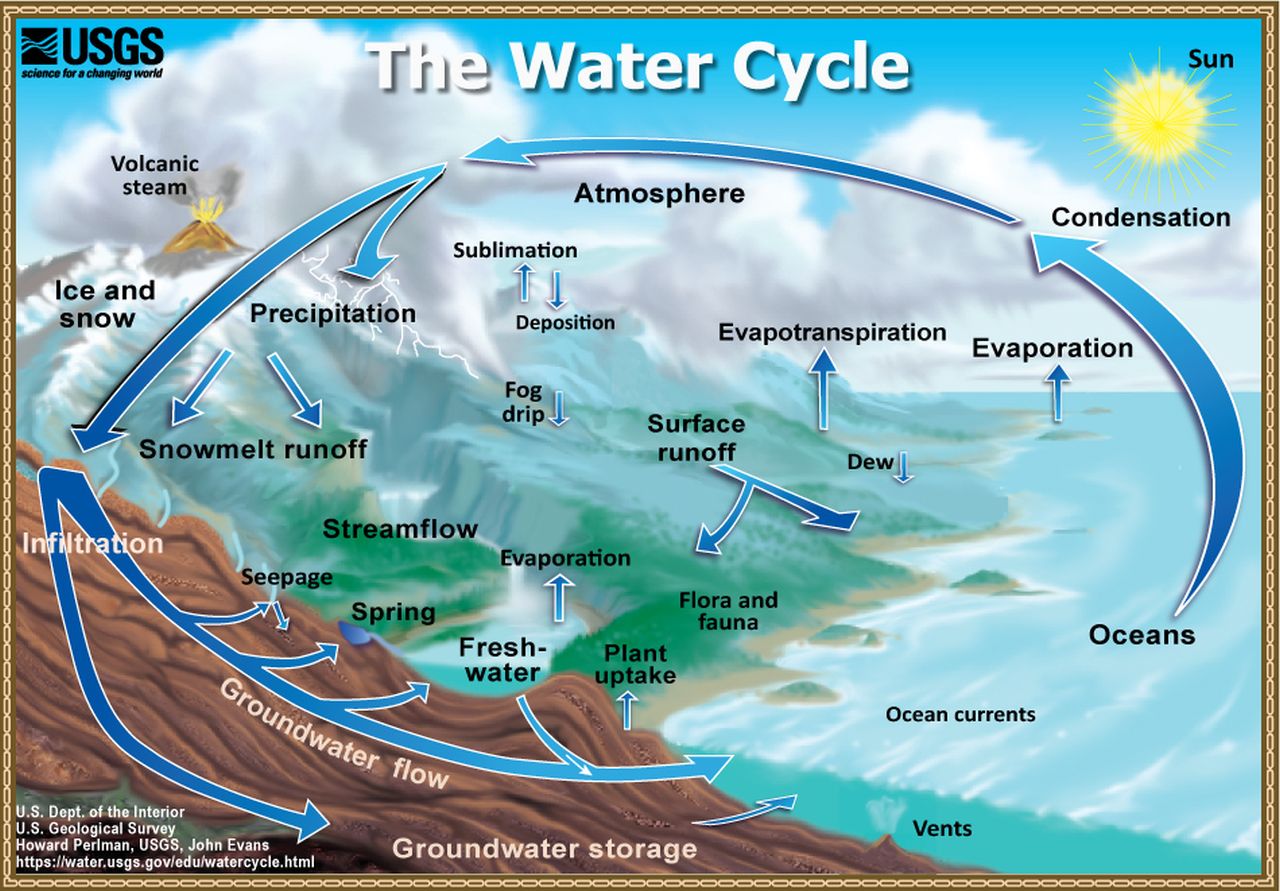
- hydrologic cycle
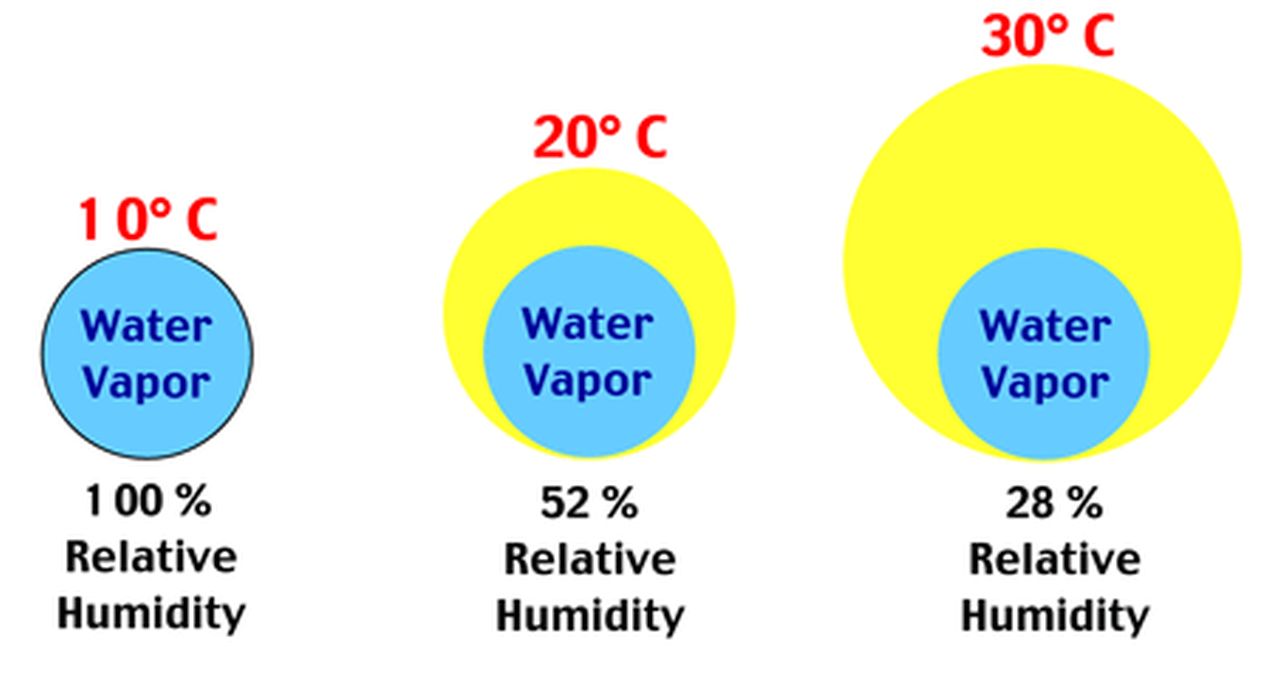
- humidity
- absolute humidity = mass of water per volume of air
- specific humidity = mass of water per mass of air
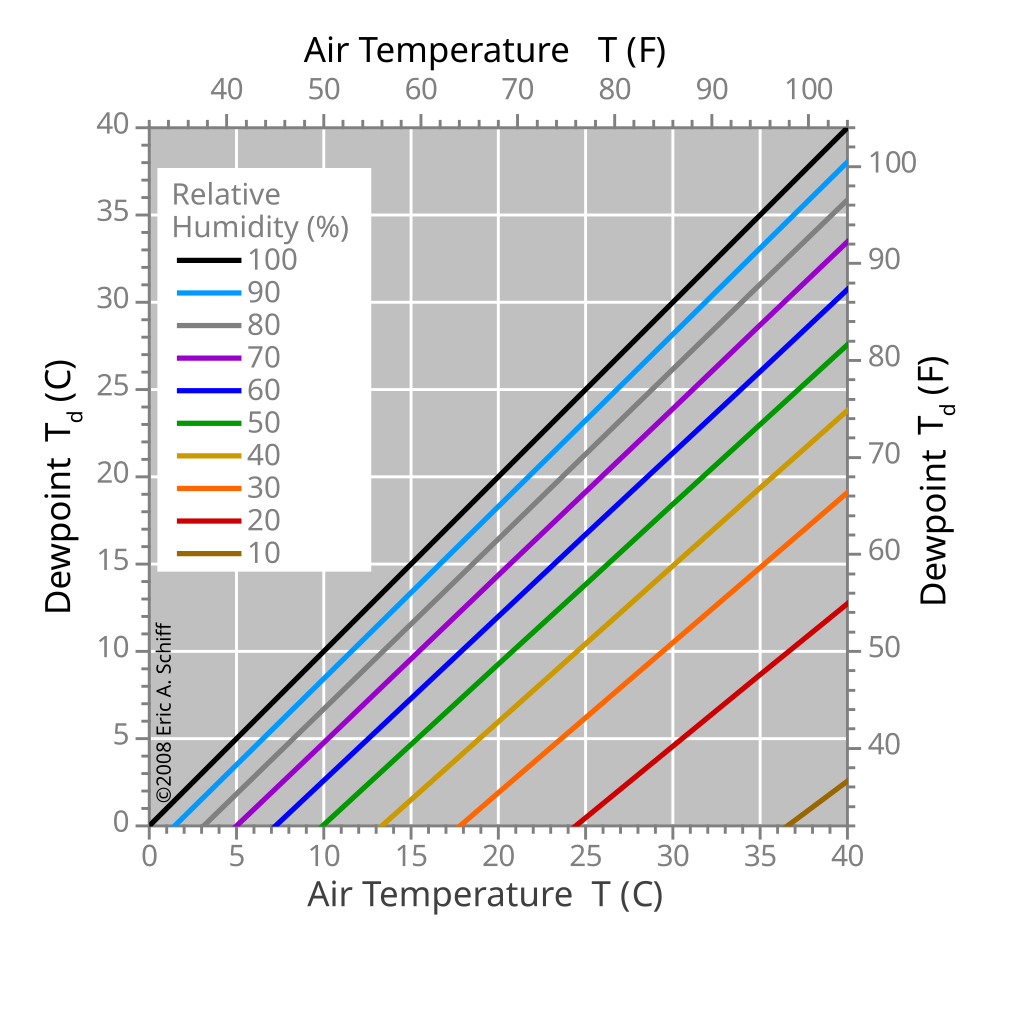
- relative humidity = amount of water vapor relative to amount if air were saturated
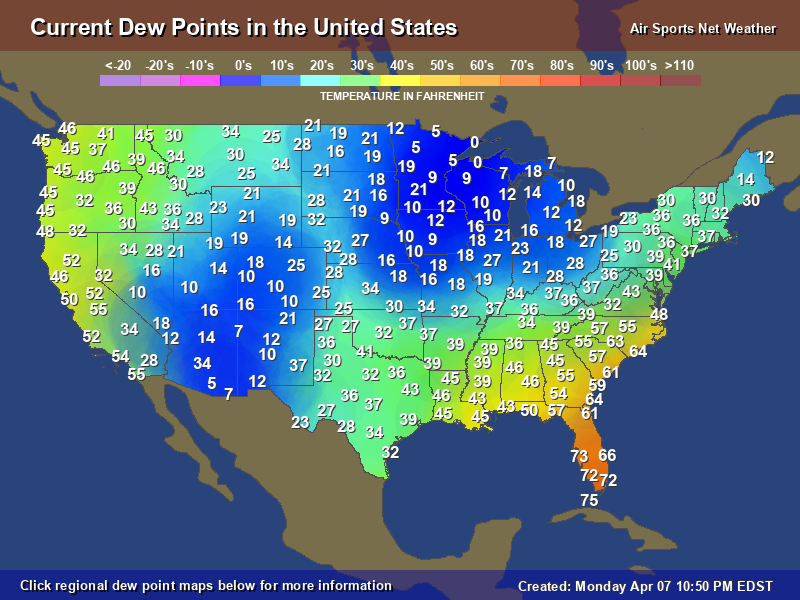
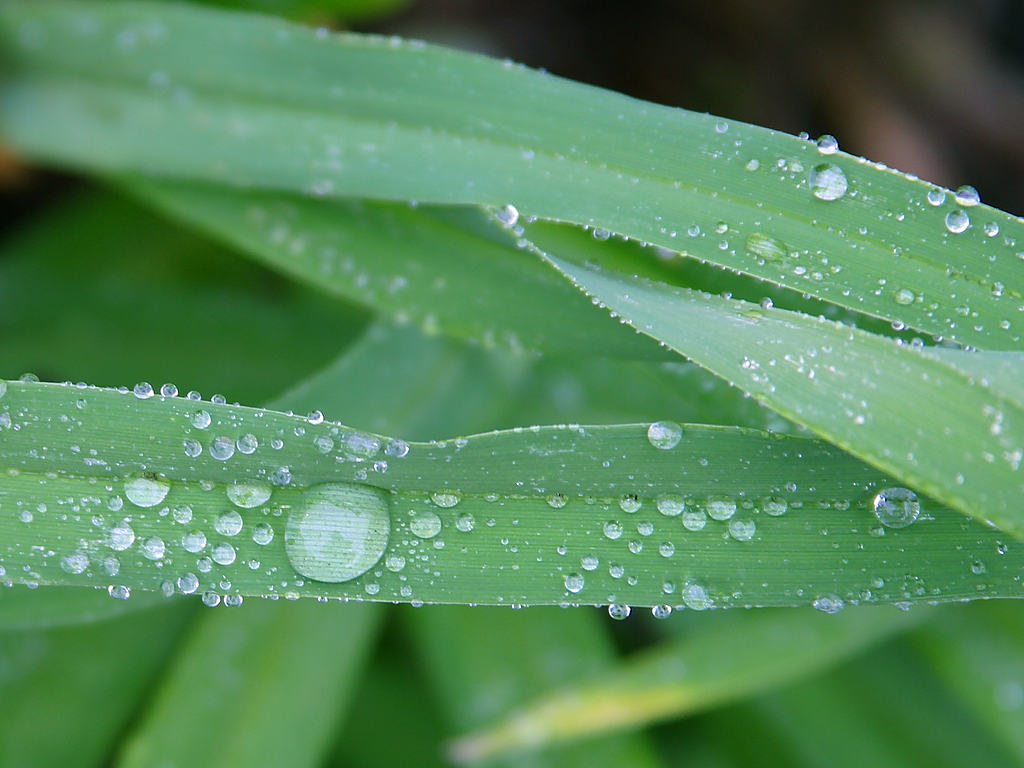
- dew point temperature
- "90 degrees and 90% humidity"
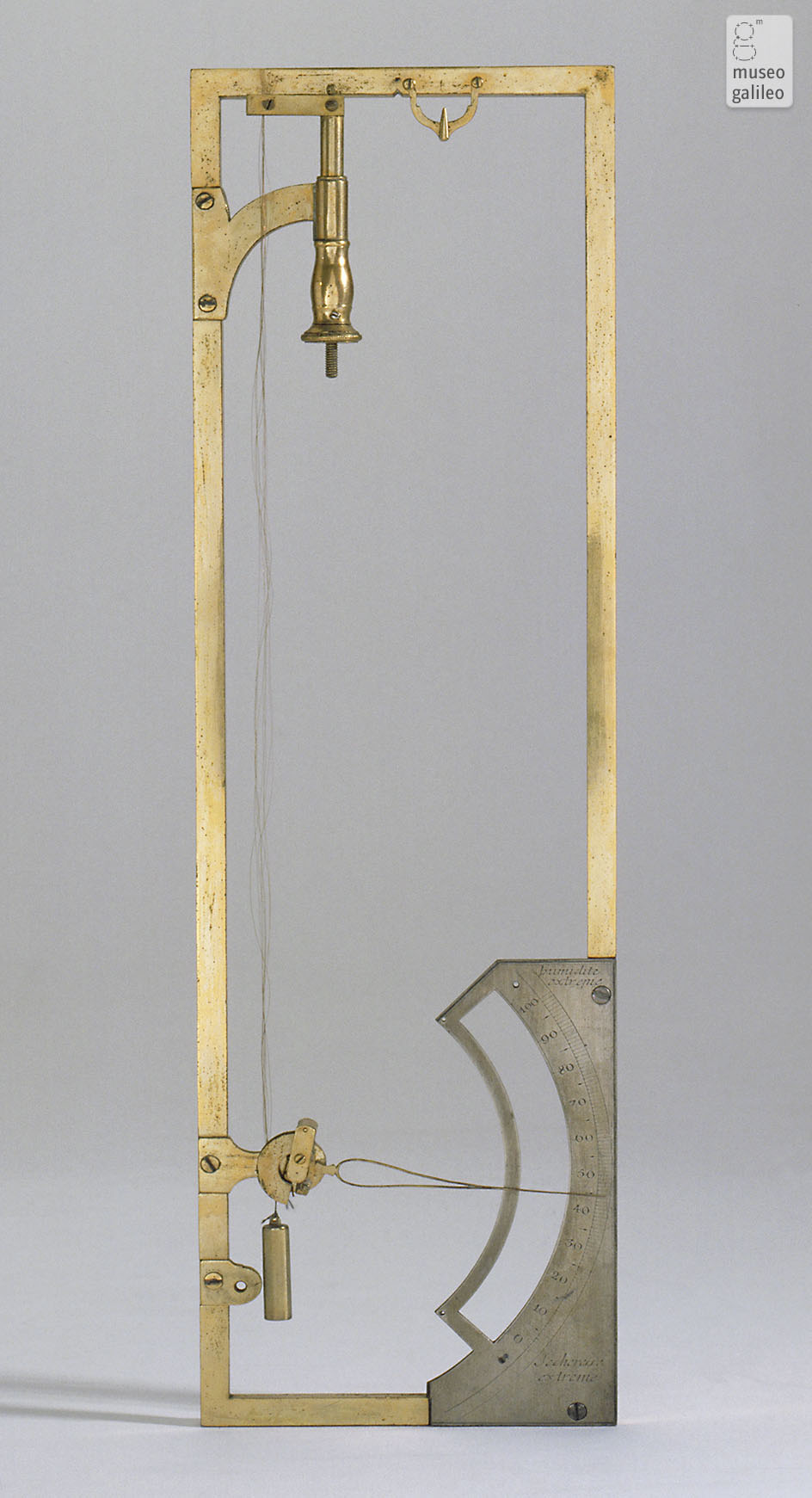
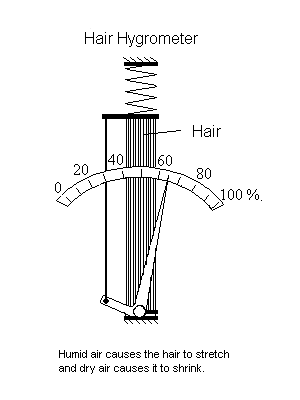
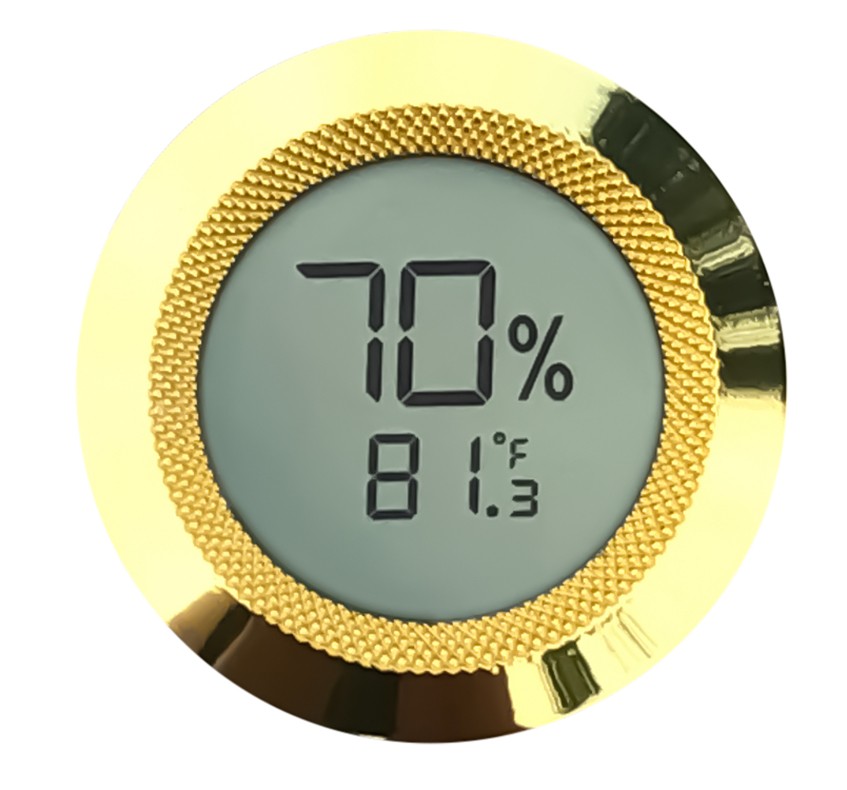
- instruments for measuring humidity
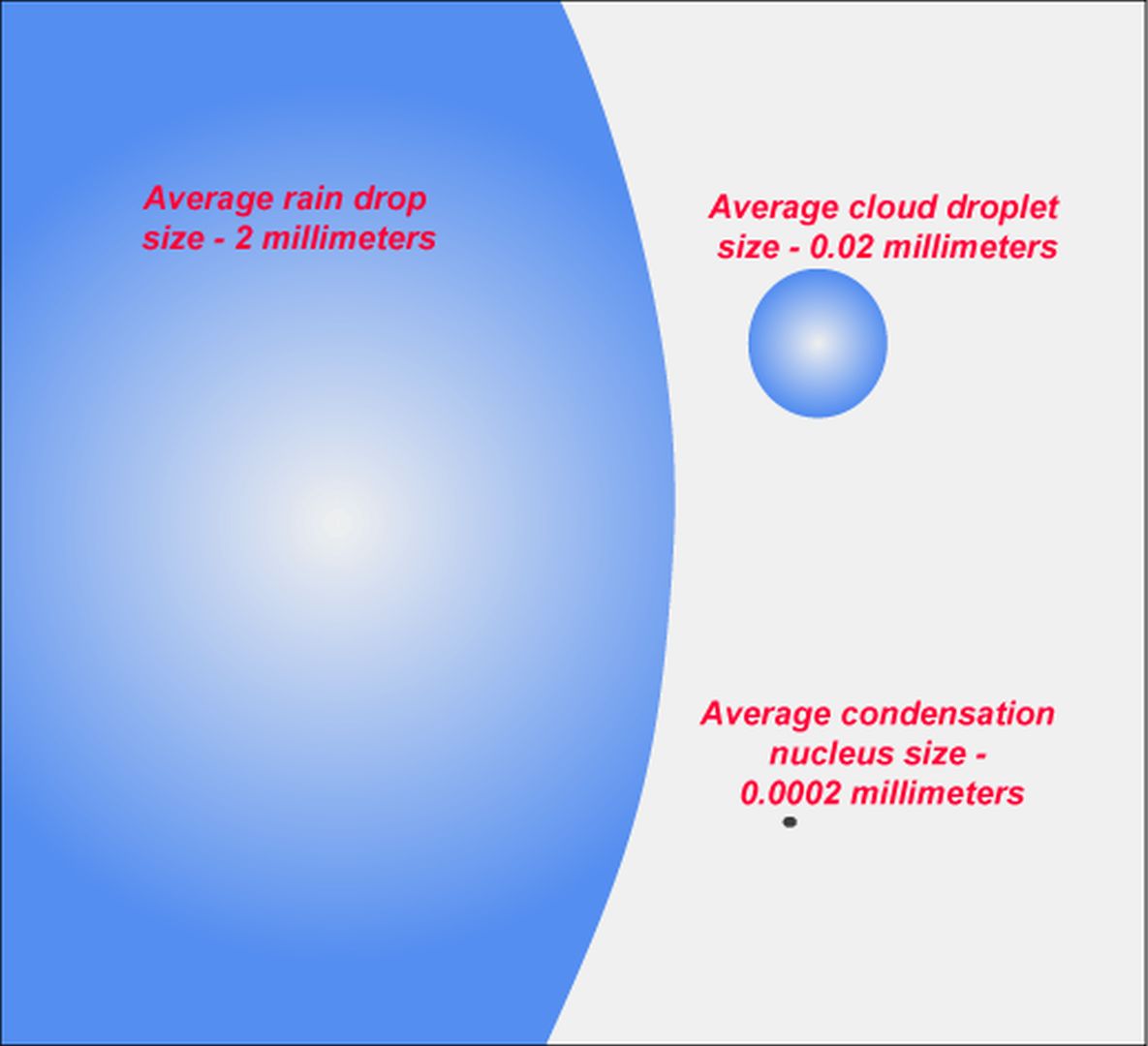
- supersaturation (absence of condensation nuclei)
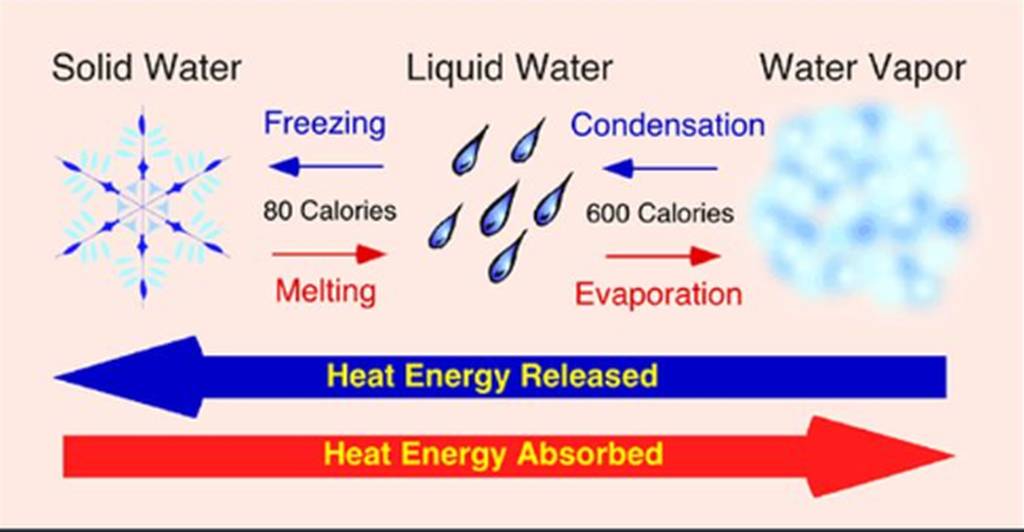
- supercooled - video #2
B. Clouds
- cloud droplets
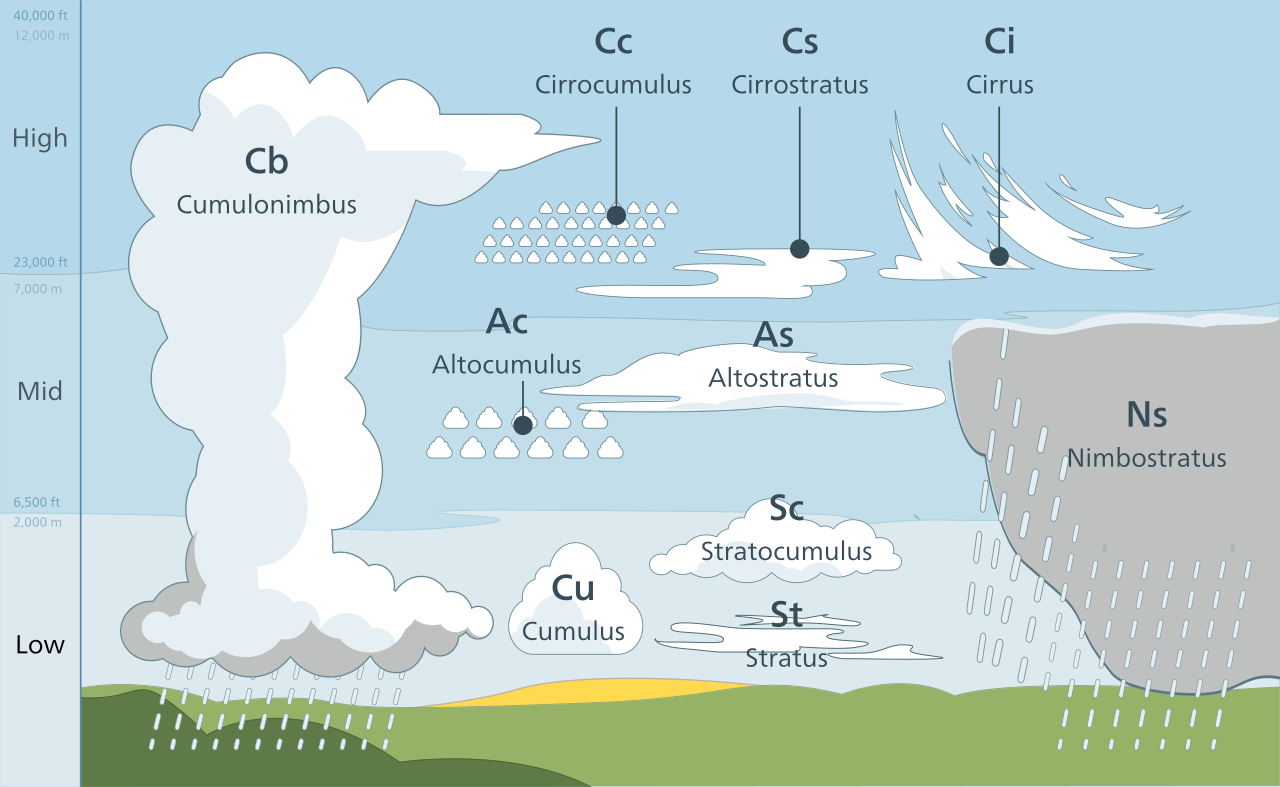
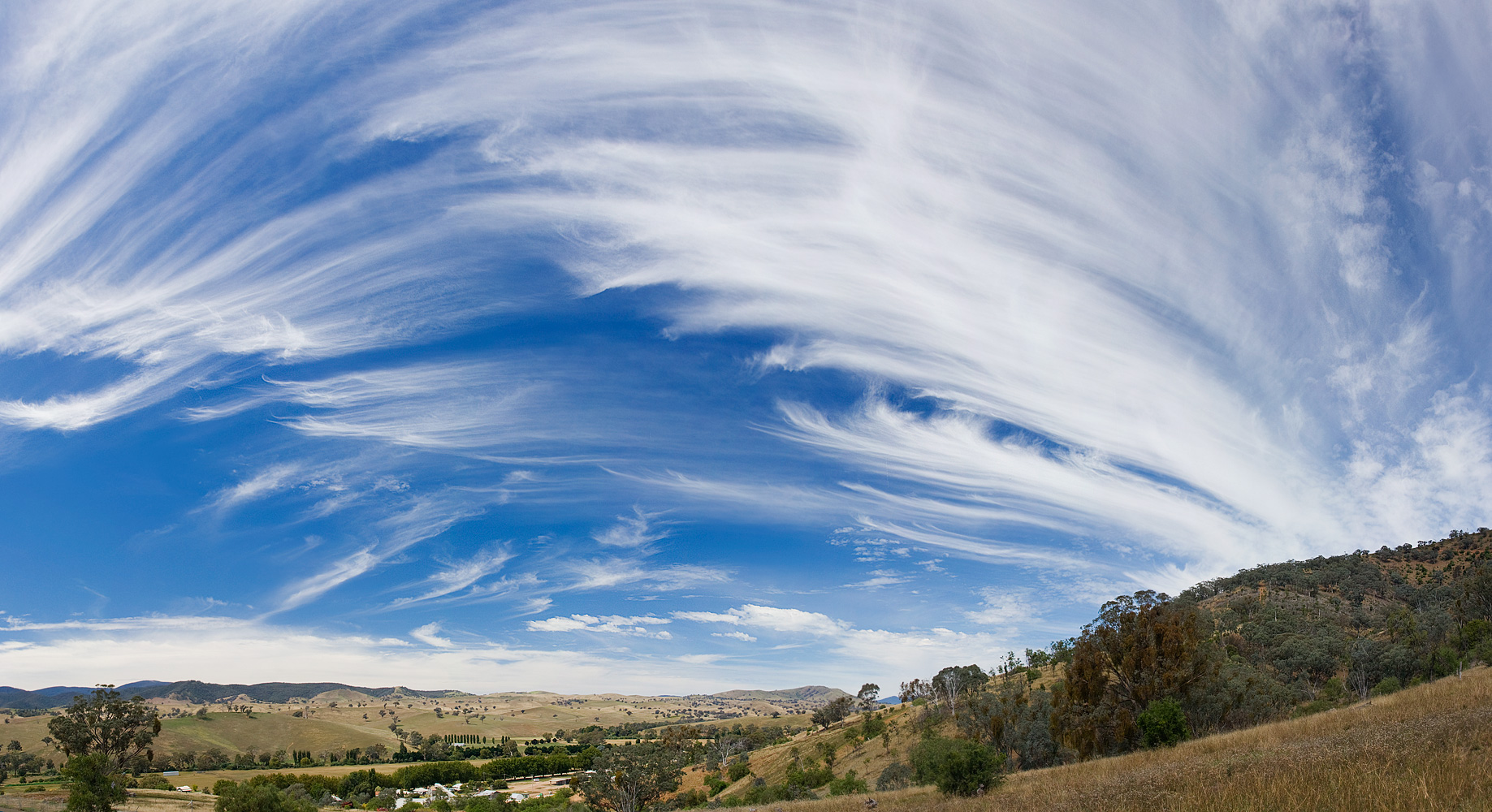
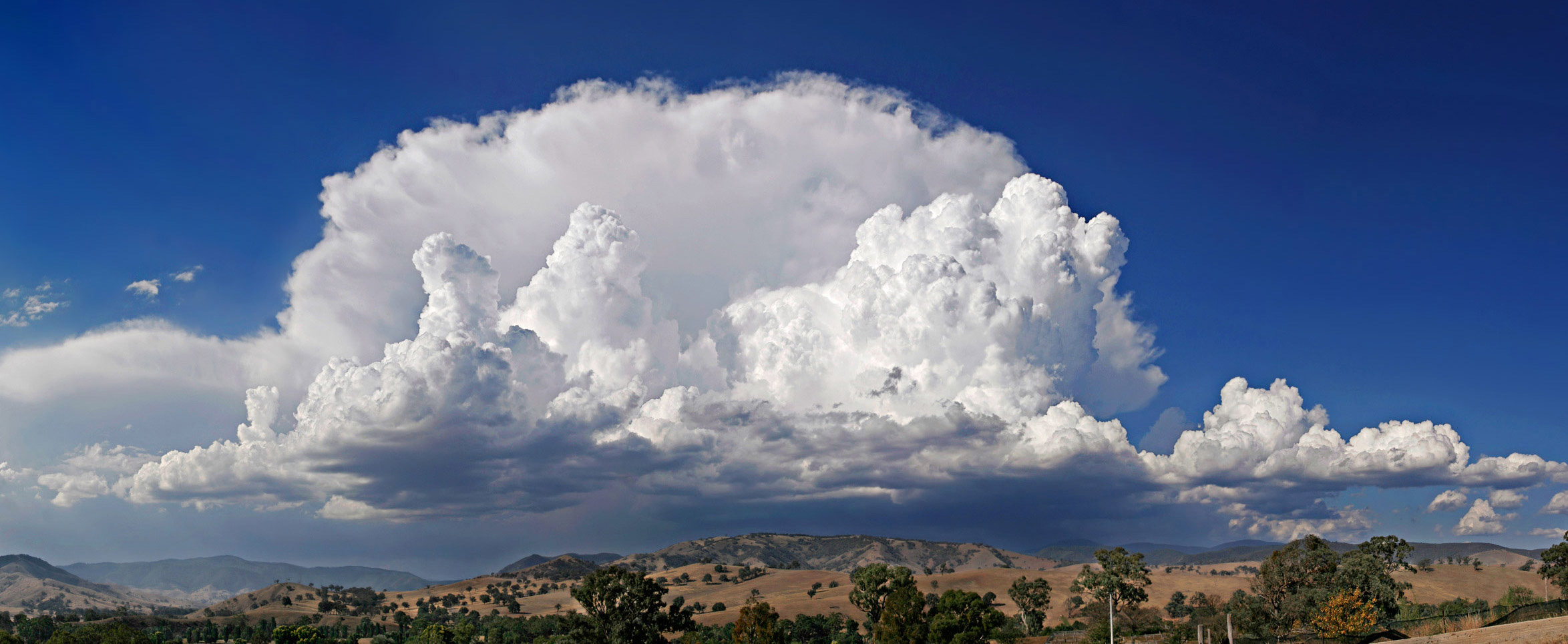
- cloud classification
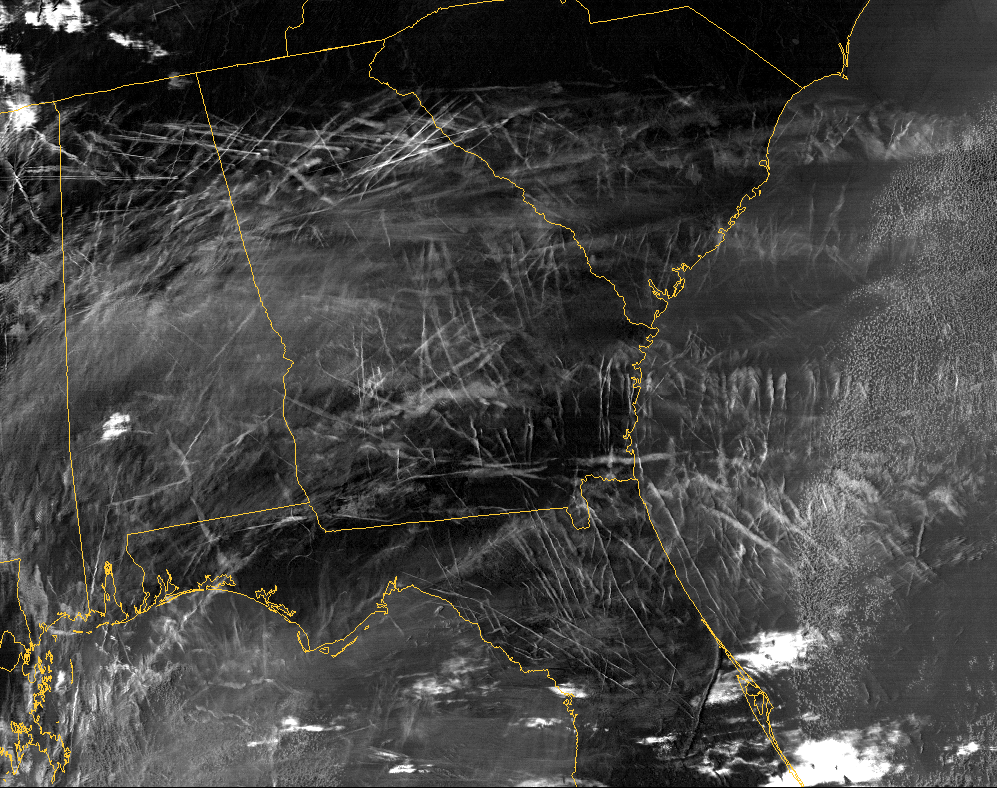
- contrail ...or this one / Video: even "experts" get it wrong (begin 0:40)
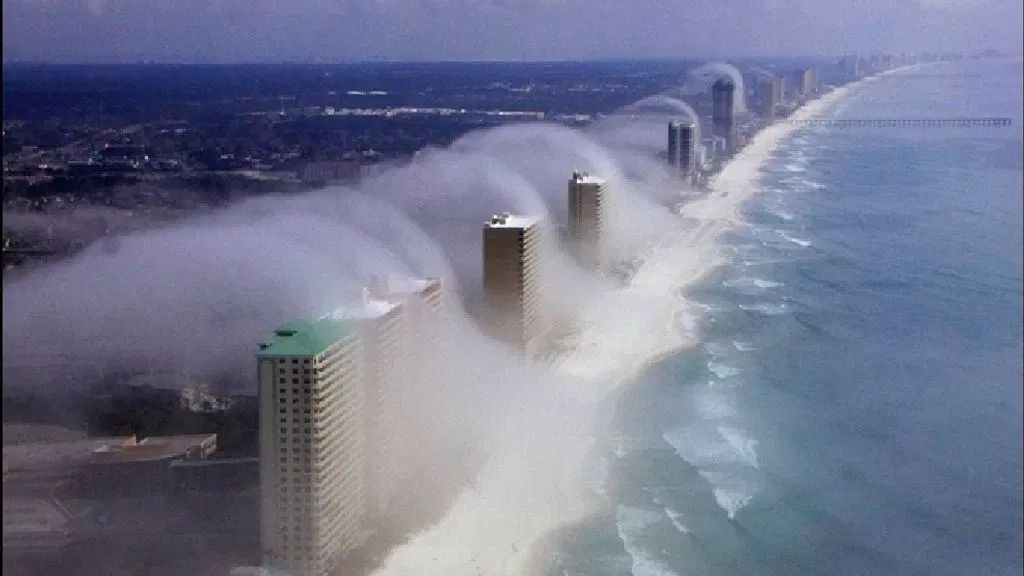
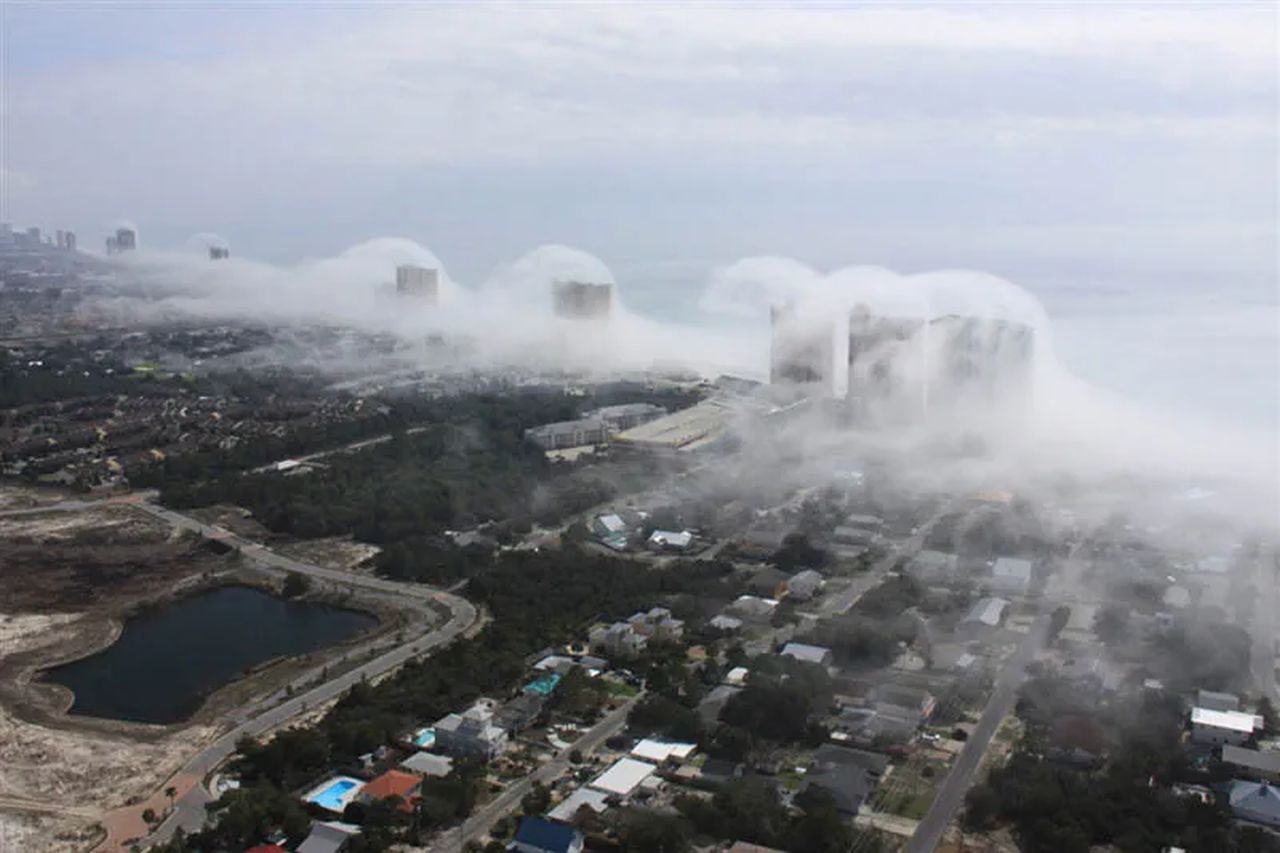
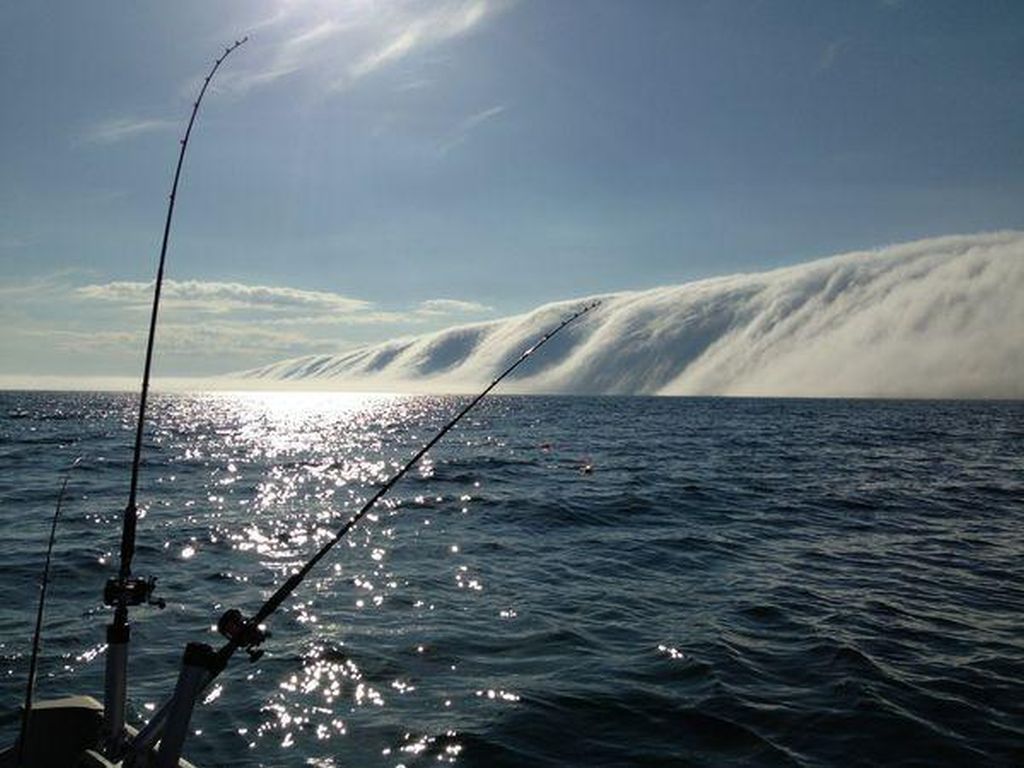
- fog
II. STABILITY
A. Lapse Rates
- dry lapse rate -- 1°C/100m
- wet lapse rate -- .5°C/100m
- environmental lapse rate -- actual measured (by weather balloon) (or NCAR)
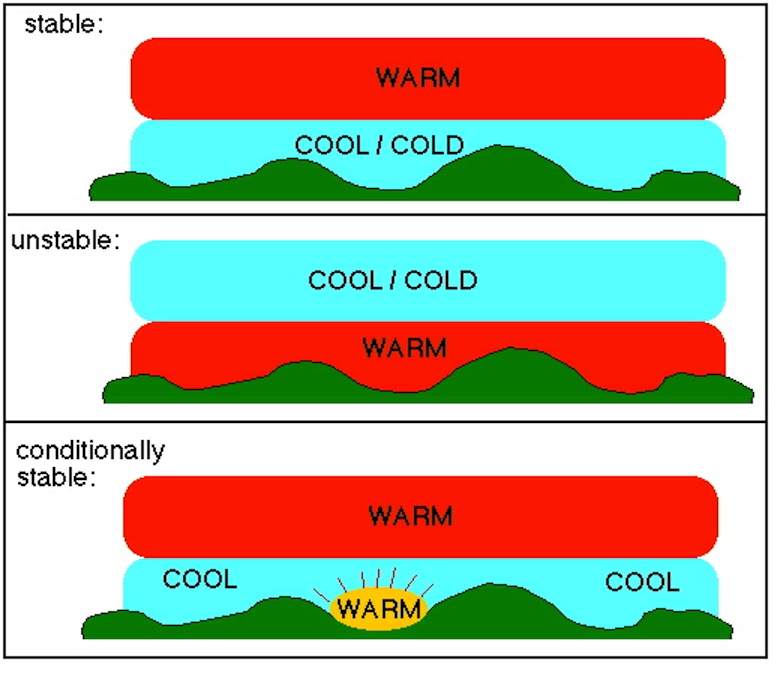
B. Stable vs. Unstable Air
- stable vs. unstable vs. conditionally stable air
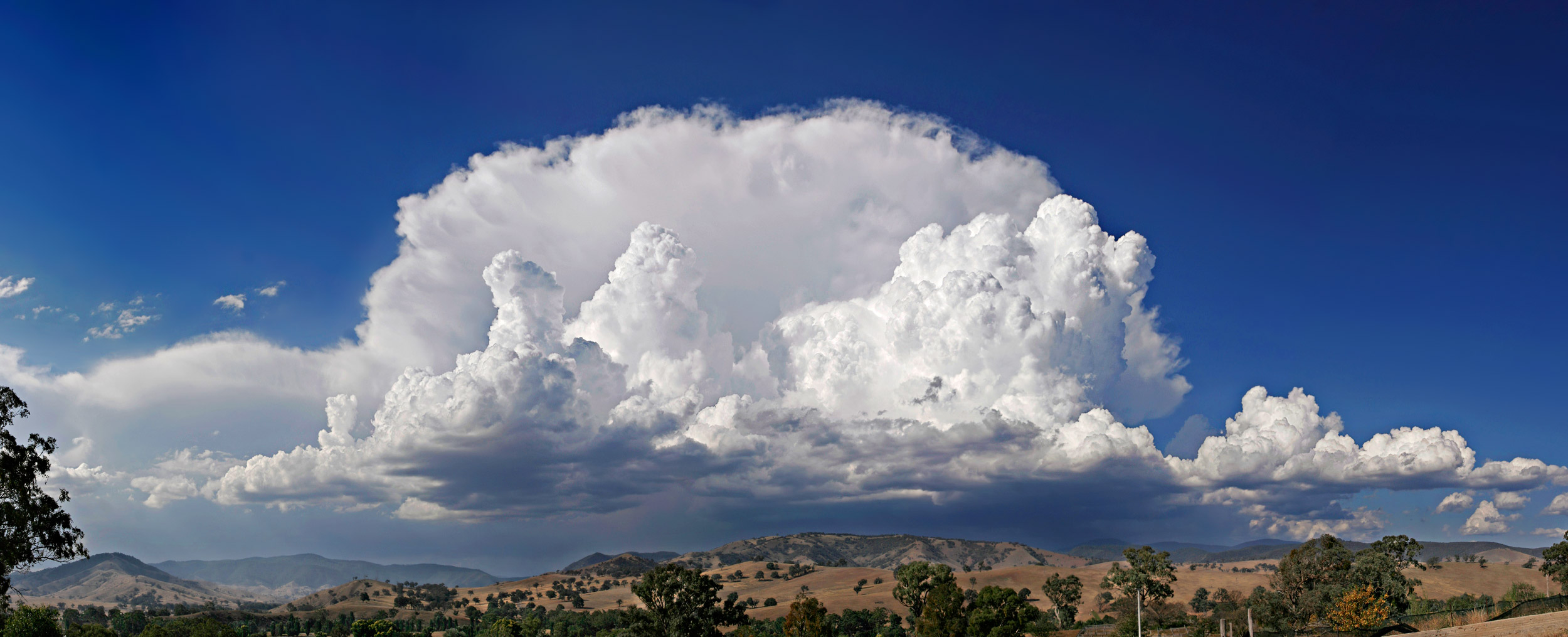
- visual signs of stability / instability
III. PRECIPITATION PROCESSES, TYPES, AND DISTRIBUTION
A. Processes
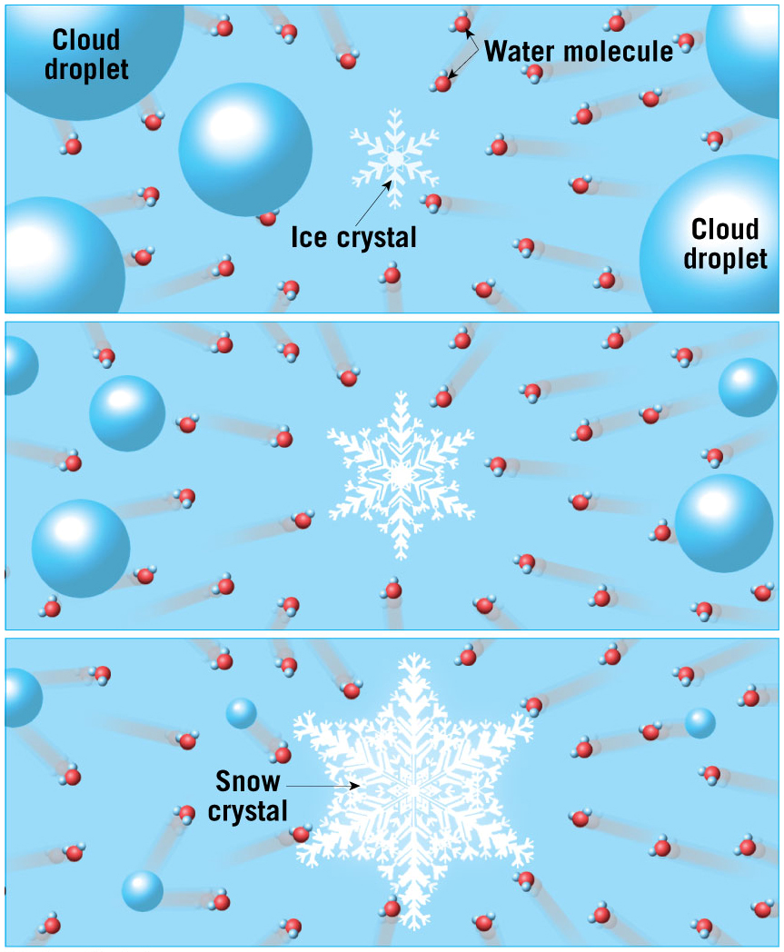
- ice crystal formation ... video demo
- collision coalescence
B. Types
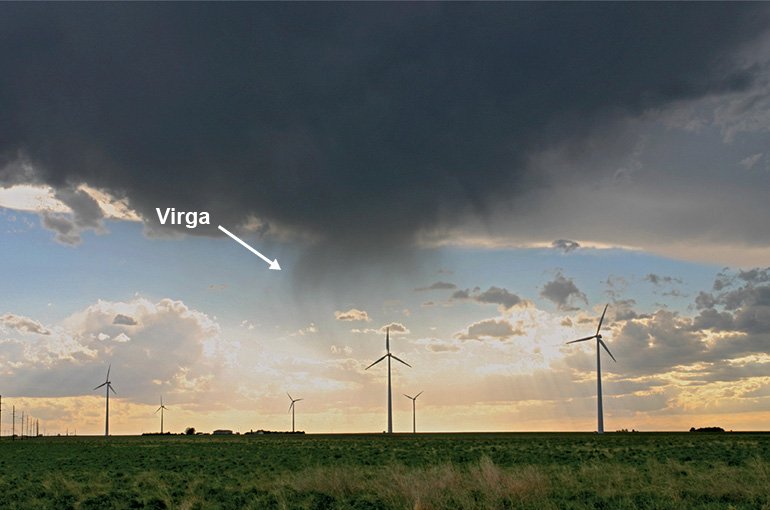
- rain, snow (virga / virga2)... vs. Phx rain shaft)
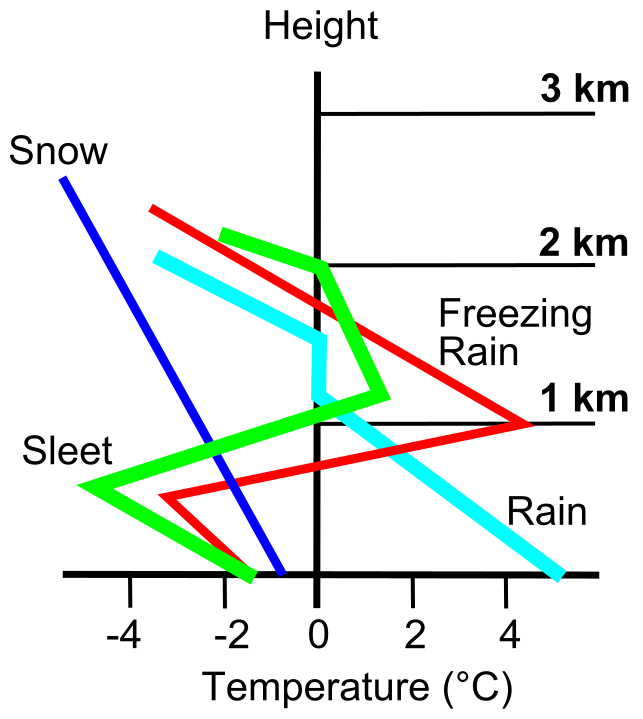
- sleet ("ice pellets"), freezing rain ("ice storm" ... close up)
- hail... can be deadly / video
- freeze liquid = clear; freeze ice crystals = milky; = alt. rings
C. Lifting Mechanisms
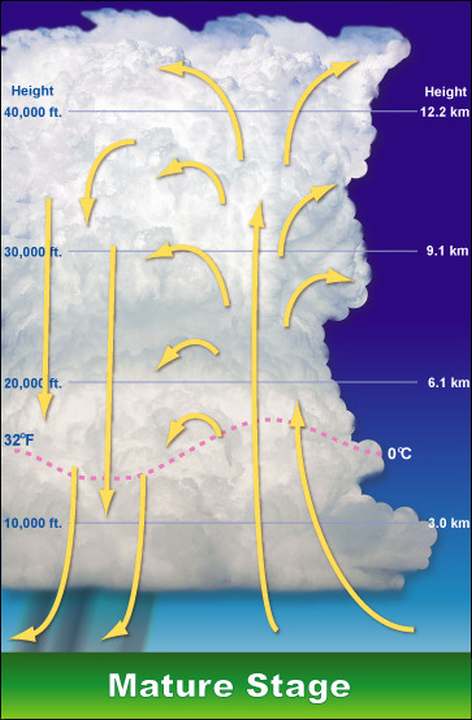
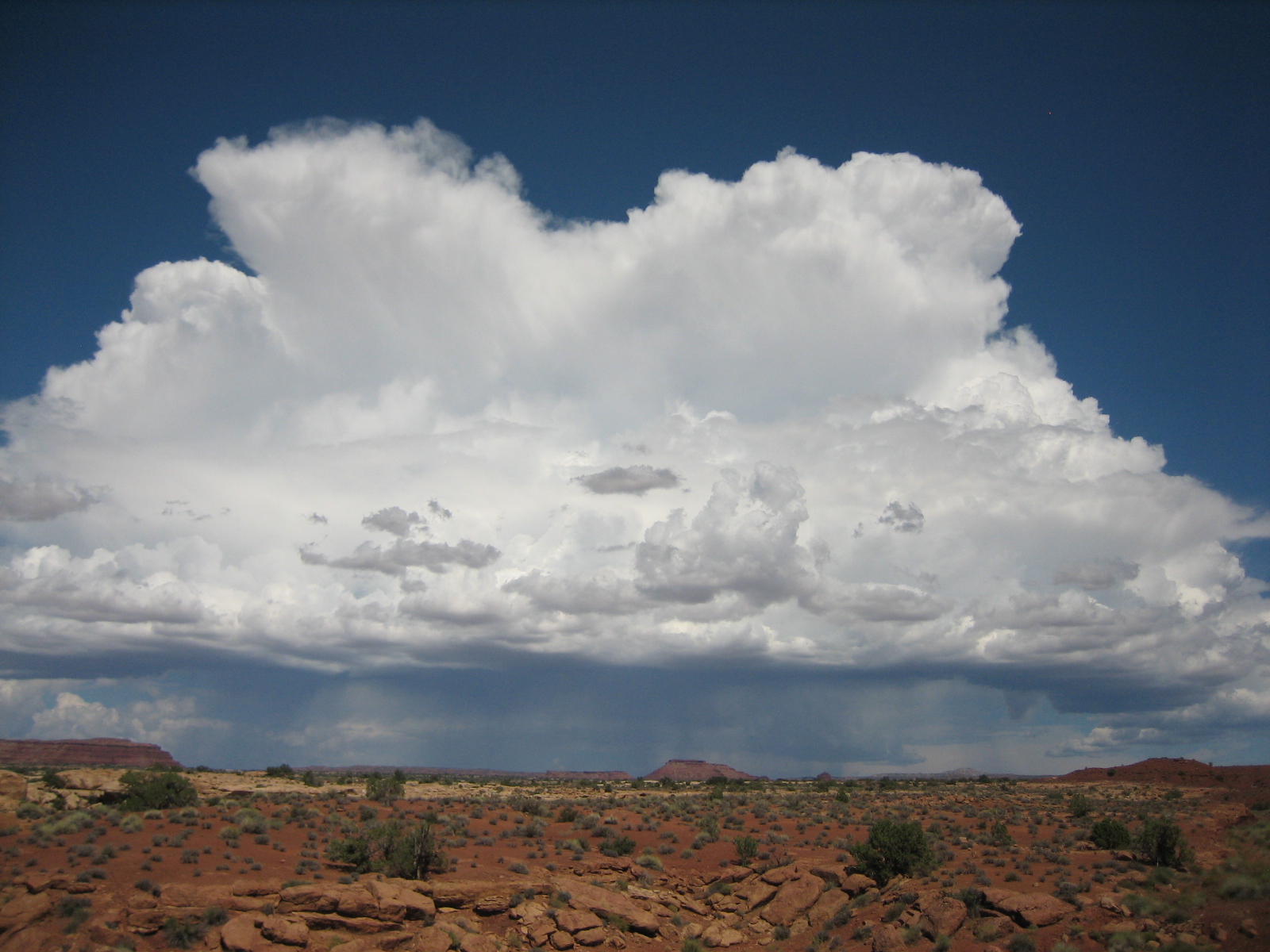
- convective / example / time lapse
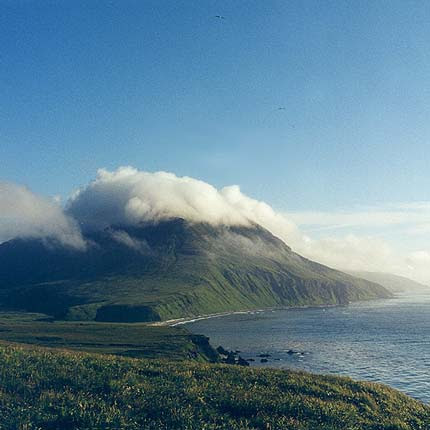
- orographic / time-lapse movie
- convergent
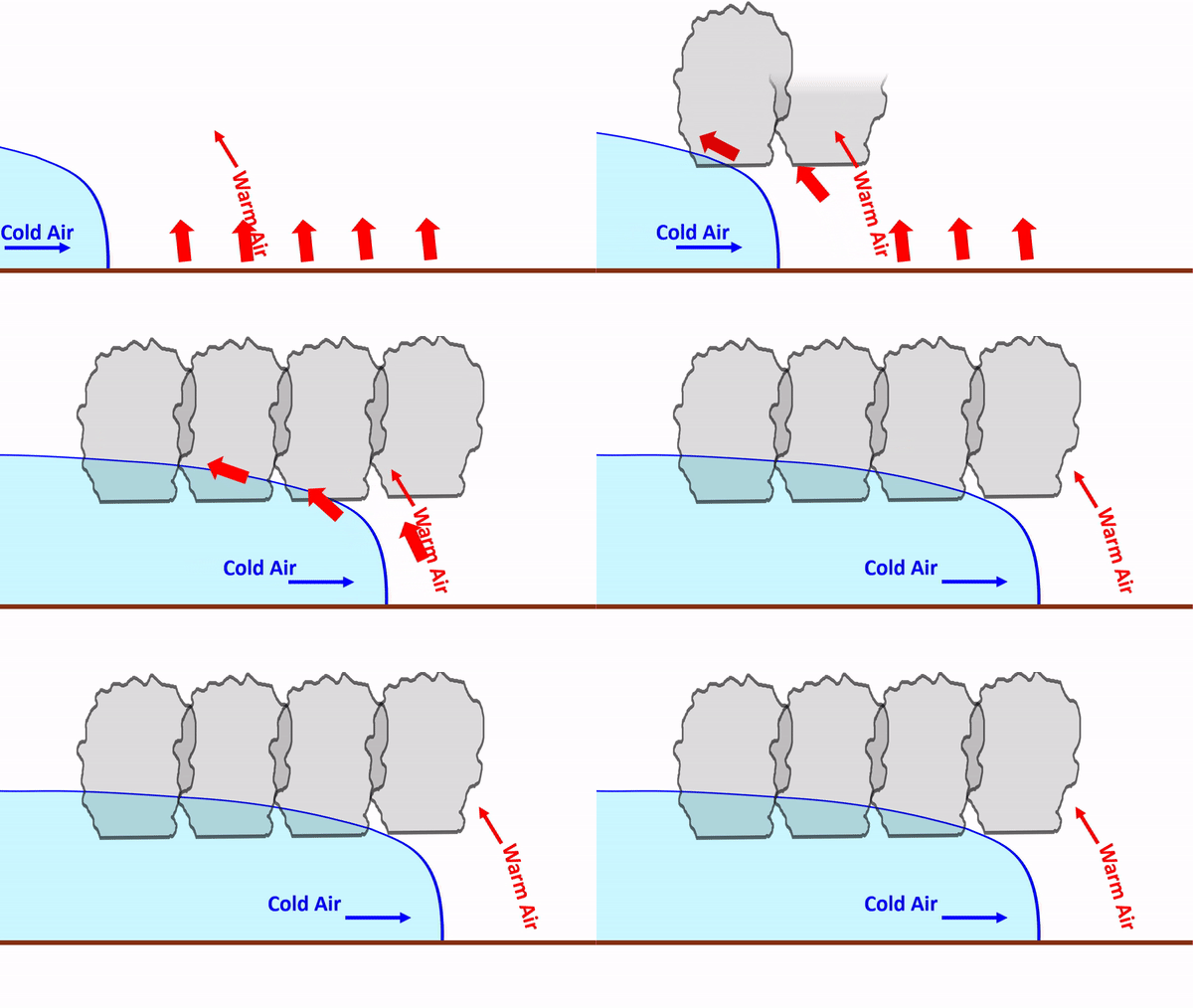
- frontal
- combination
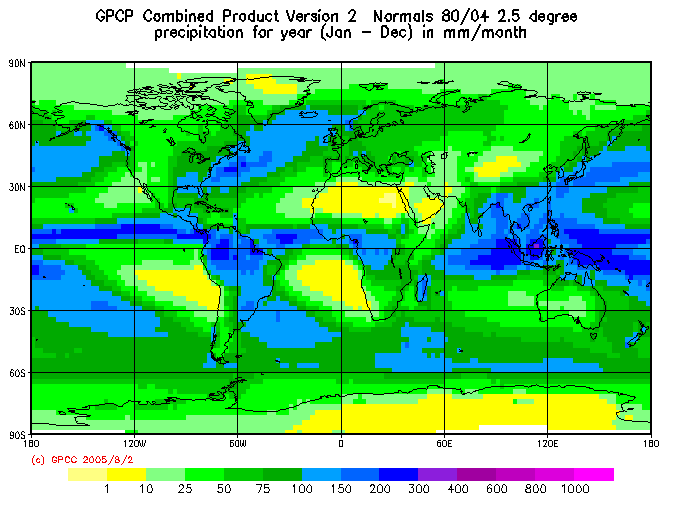
D. Distribution: annual average and seasonal shift
- equatorial / tropics = wettest
- 20-30° latitude = driest (Atacama Desert, Chile)
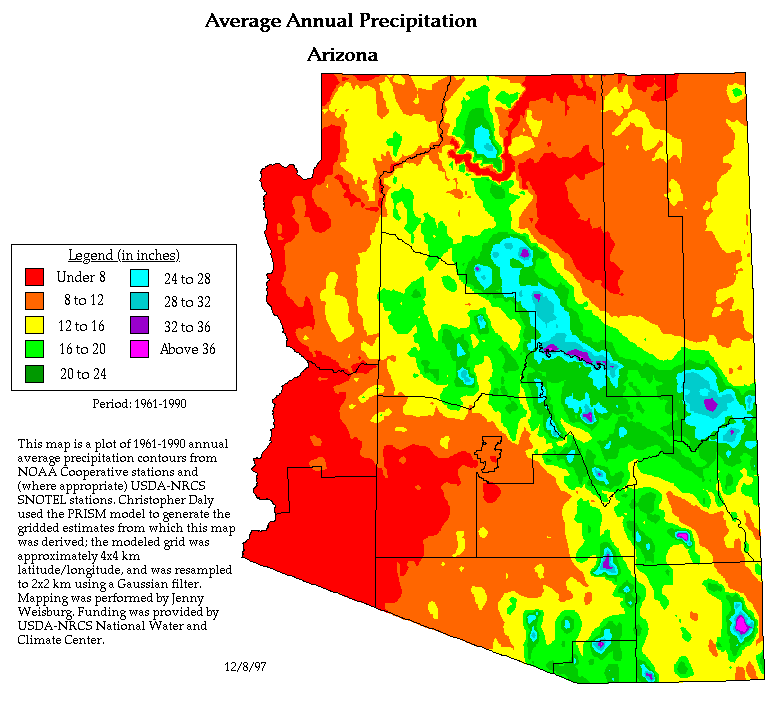
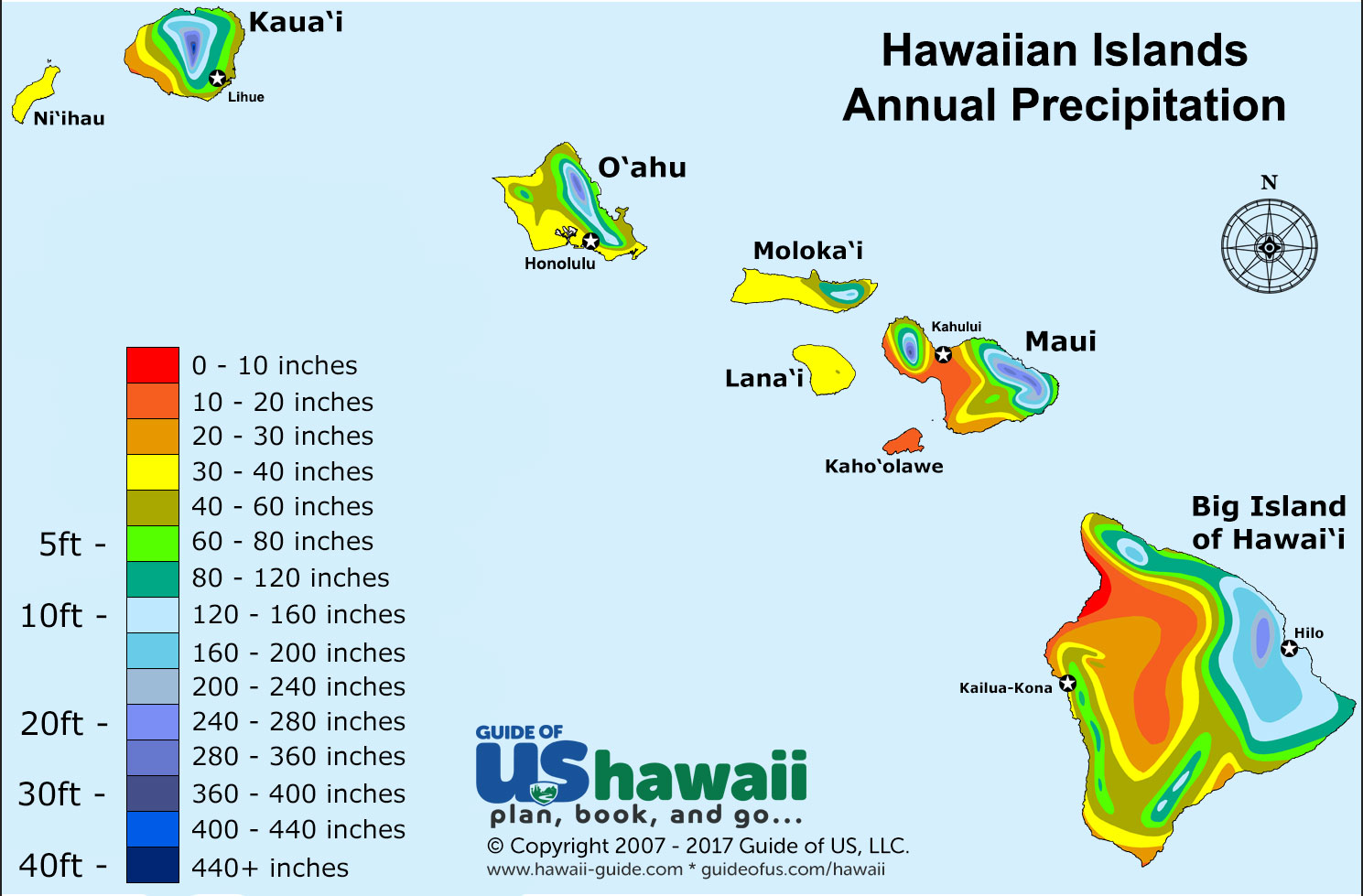
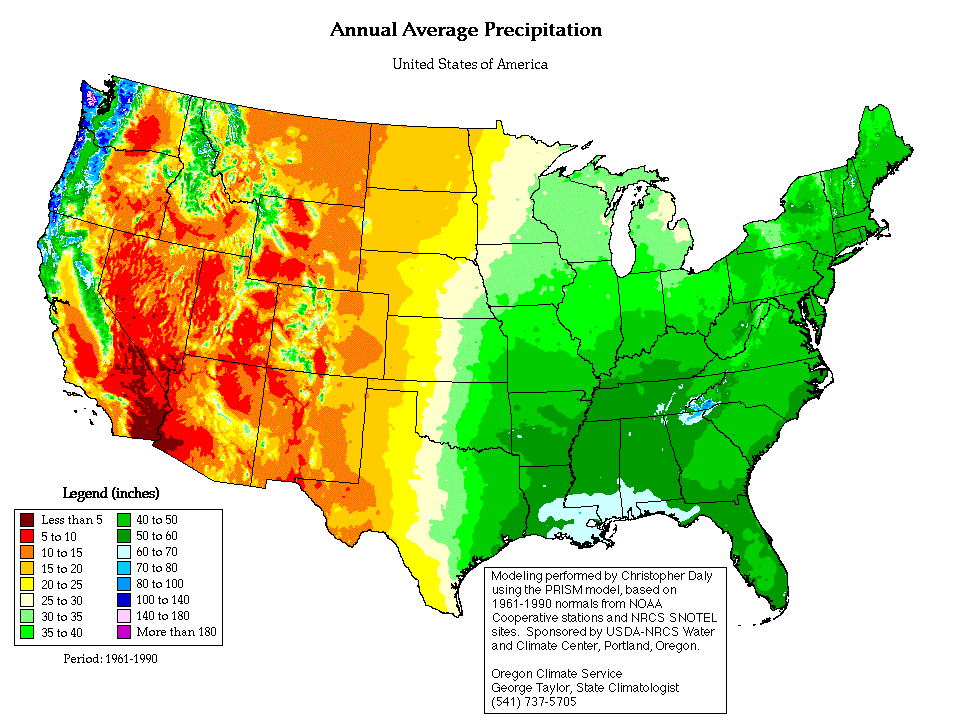
- in the U.S.
- wettest in Cascades
- driest in interior west and southwest (rain shadow)
- El Nino / La Nina effects on precipitation
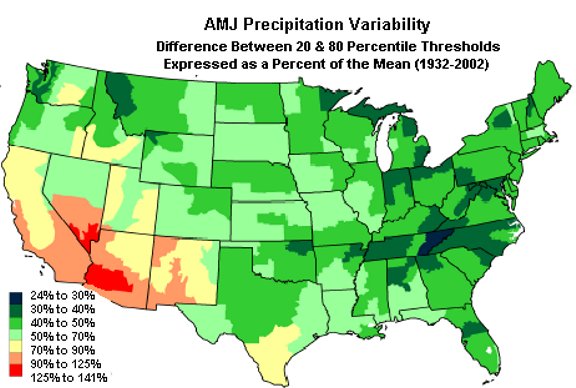
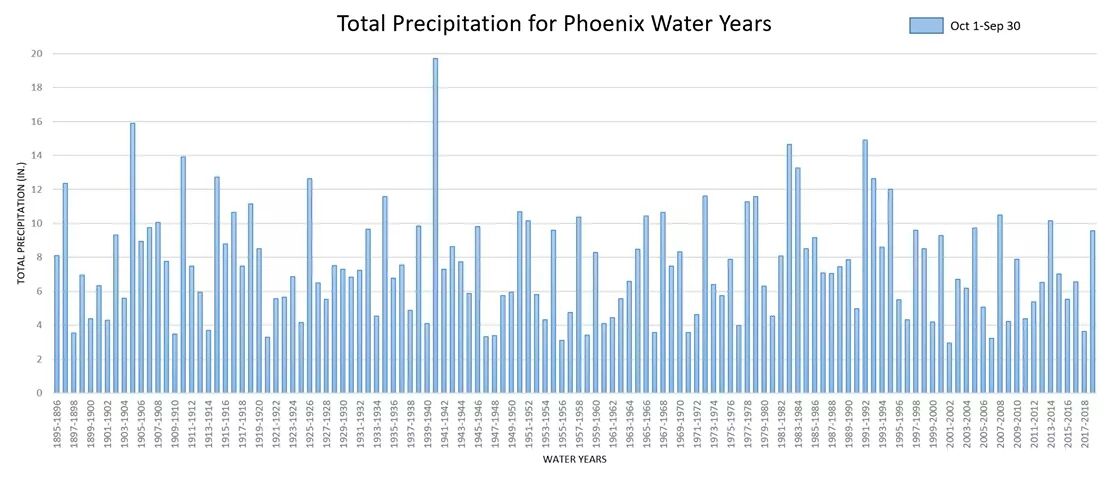
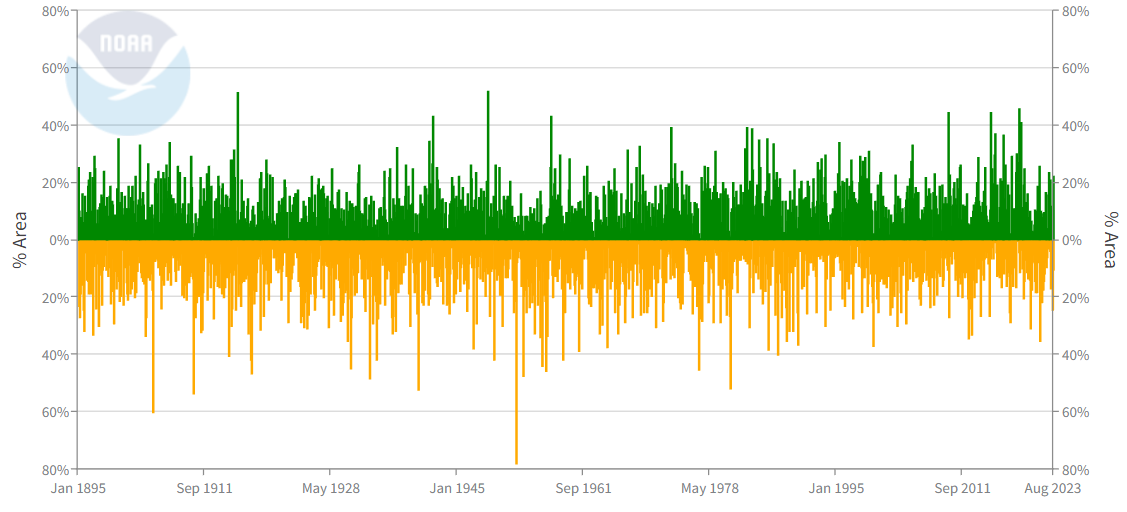
- precipitation variability : small vs. large / PHX precip
- drought / unusually dry? / no, normal variability
* How long is period of record? *