Climate Reconstruction
I. RECONSTRUCTING CLIMATE
A. Climatology
B. Historical Climatology
C. Paleoclimatology
II. RECONSTRUCTION METHODS
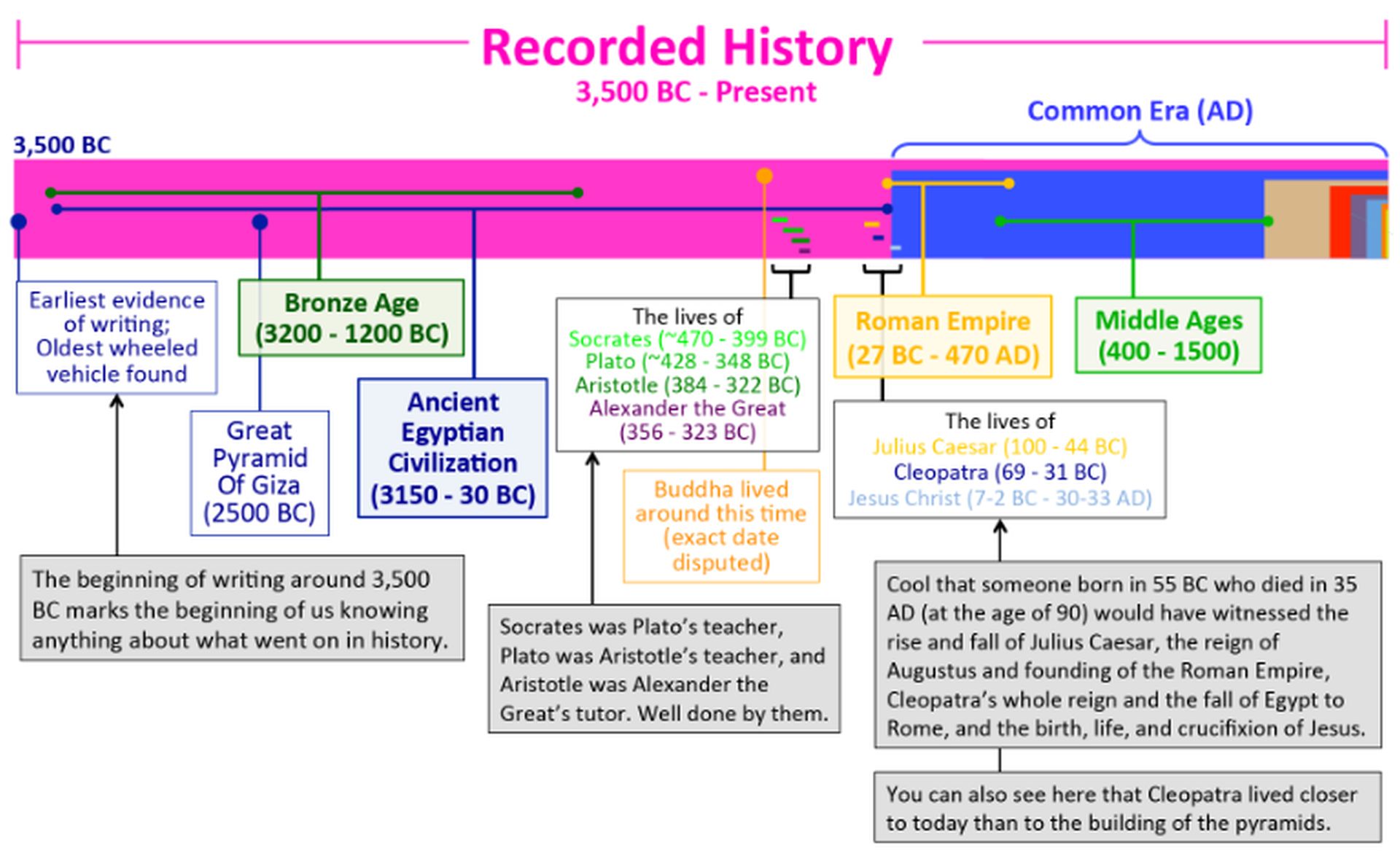
A. Human Records
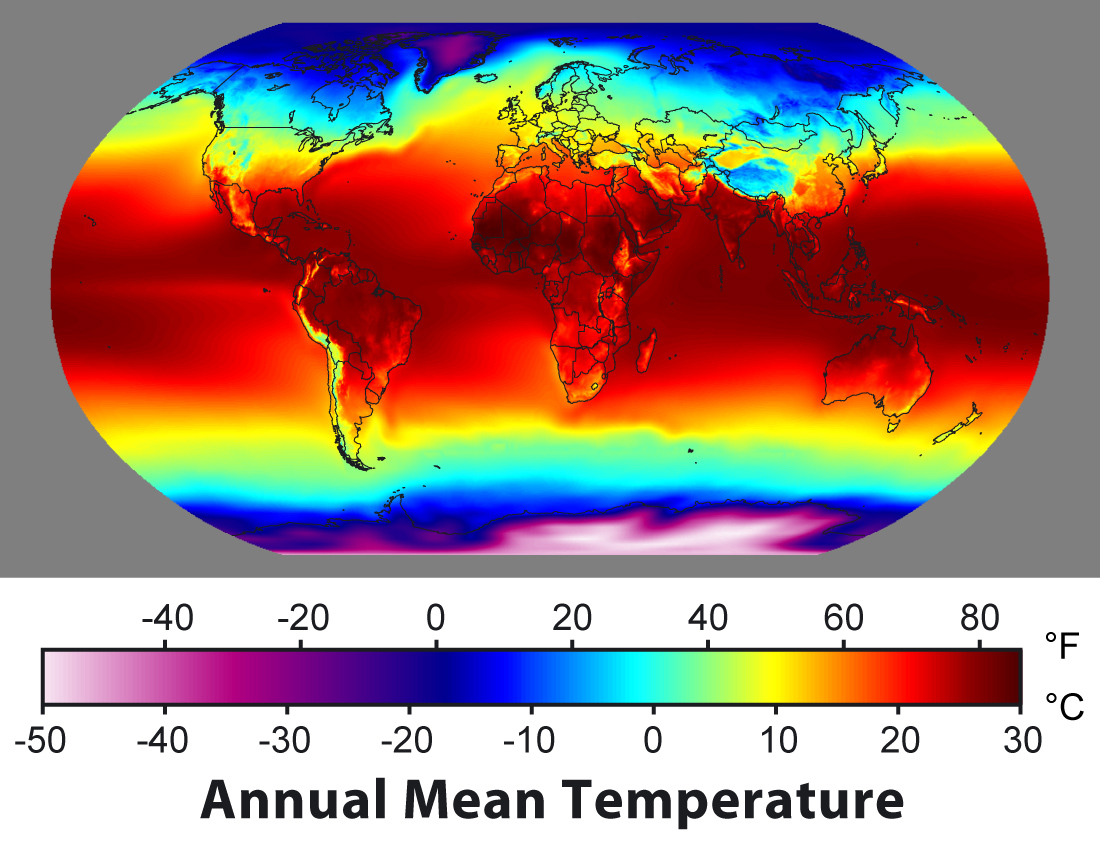
- meteorological records: NCDC and NASA
- thermometer history?
- only extreme events recorded?
- How long? How many thermometers?
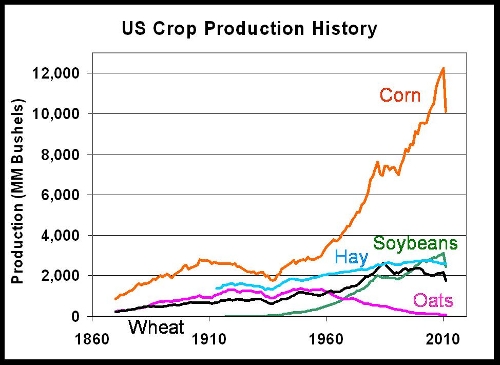
- plant/agricultural records
- human histories
- journals, gov records
- paired photographs (before/after)
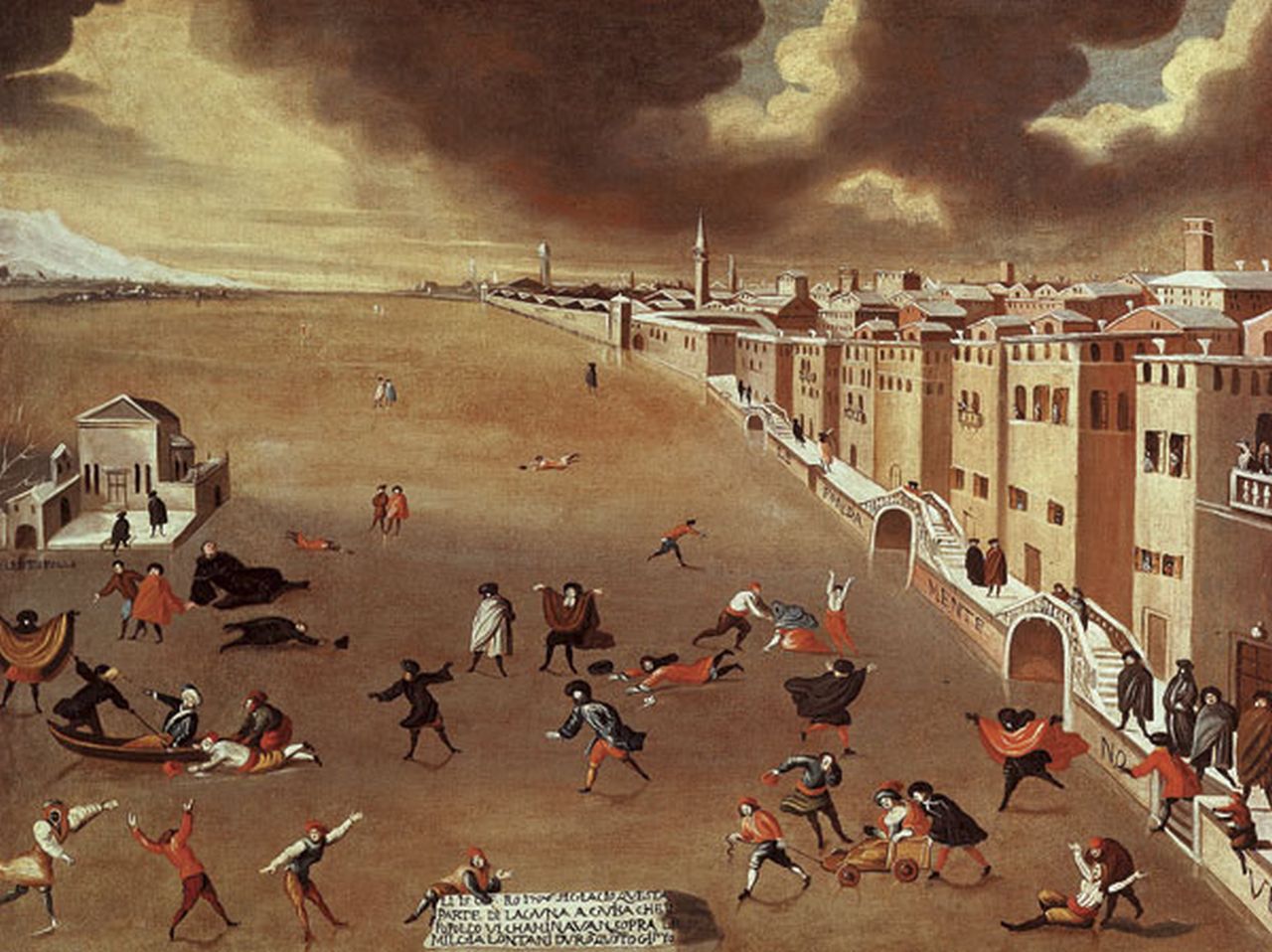
- sea ice or canal/river dates of freezing / thawing
- archaeological evidence
B. Dendroclimatology
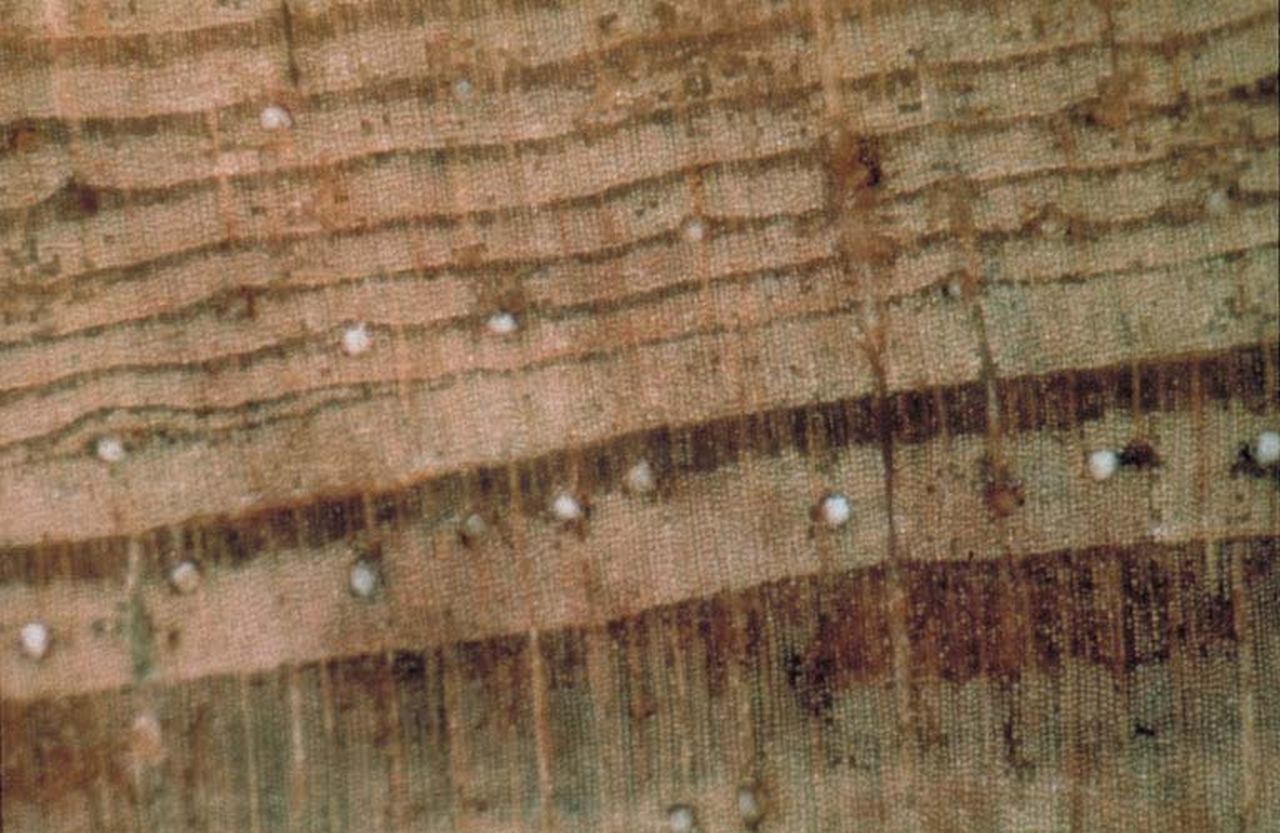
- tree rings / taking a core sample
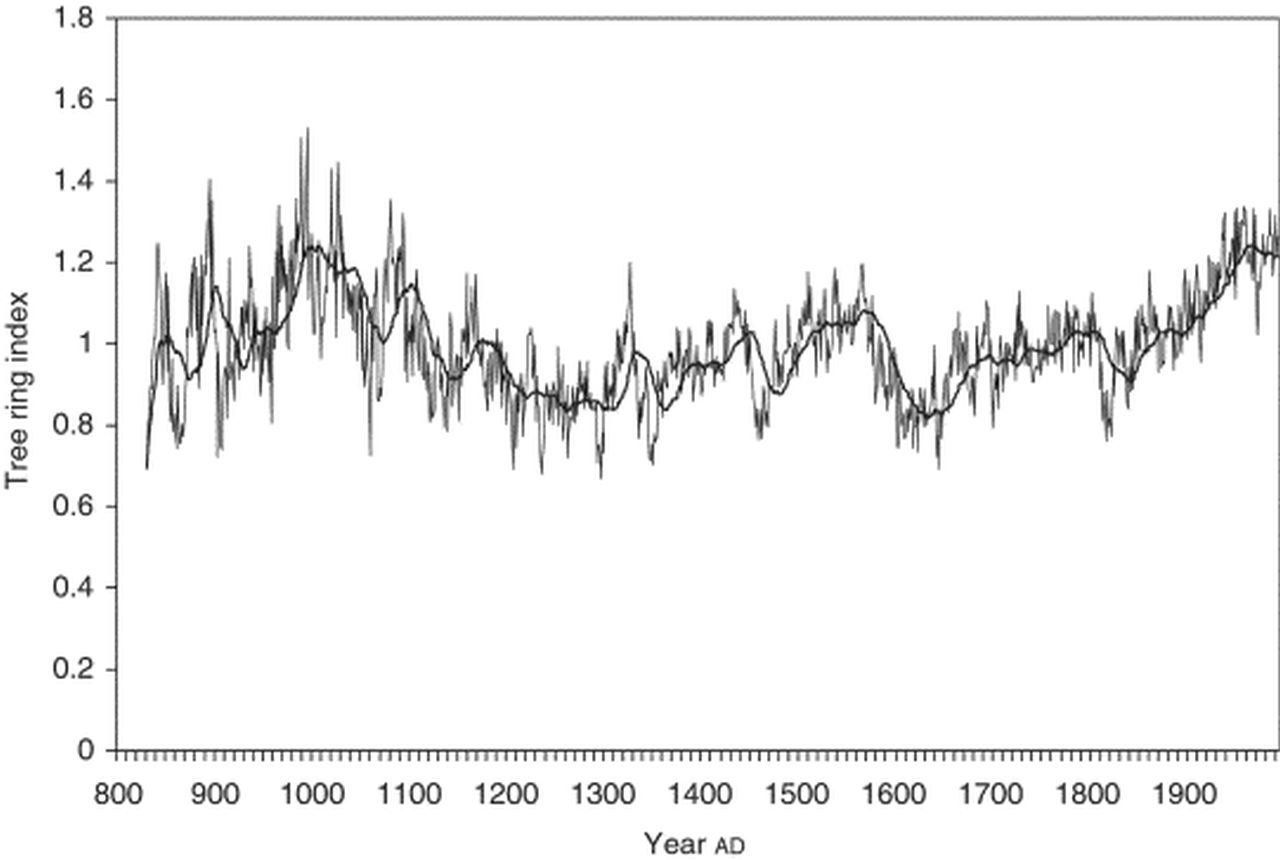
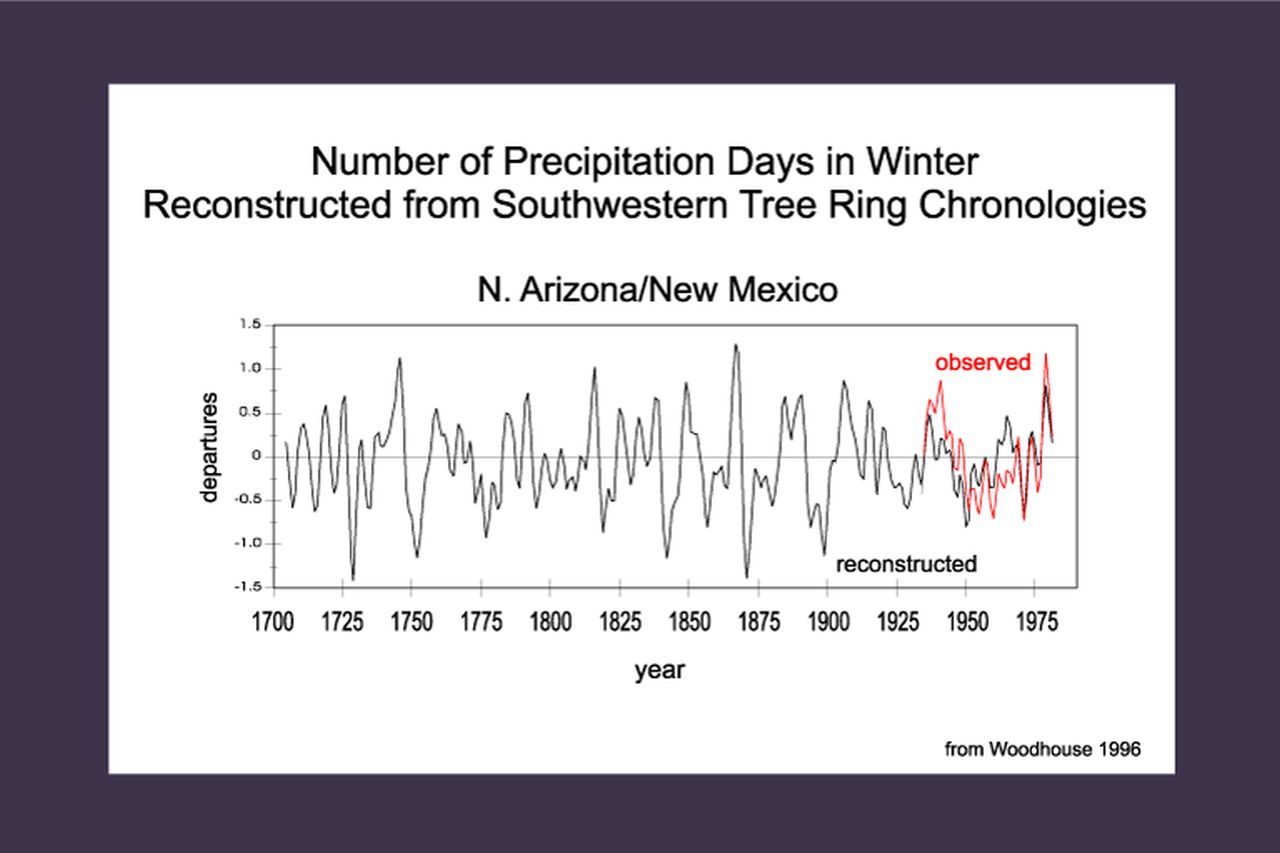
- Bristlecone Pines ... reconstructing a climate record / example of results
- tree rings: problems
C. Ice Cores
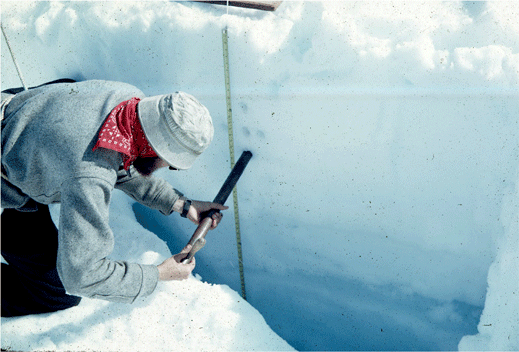
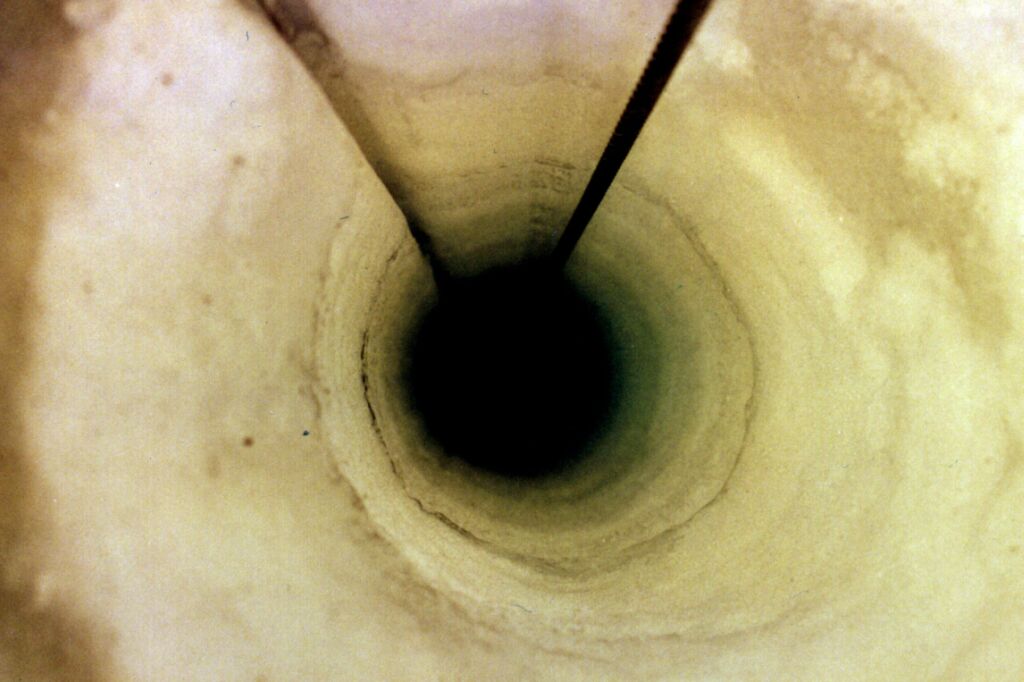
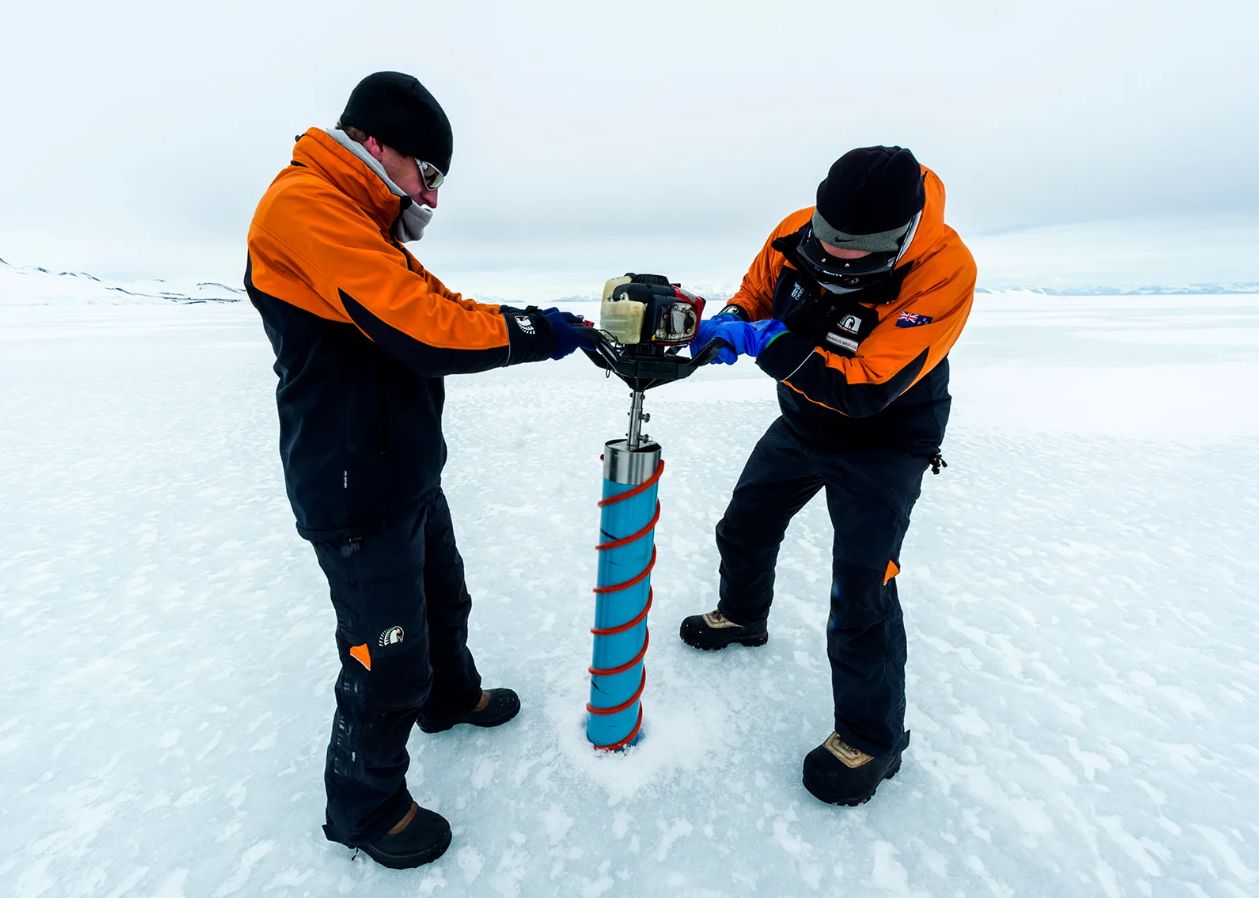
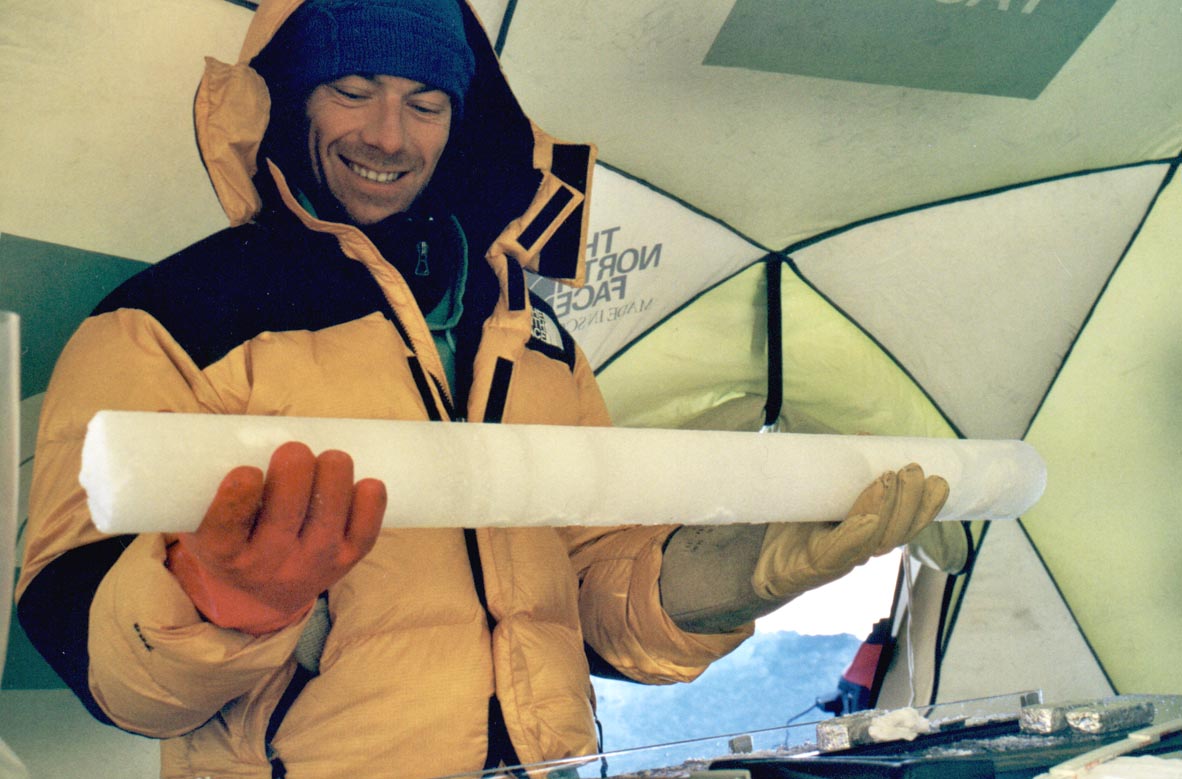
- surface layers / drill bit / ice cores / another core / ice core layers
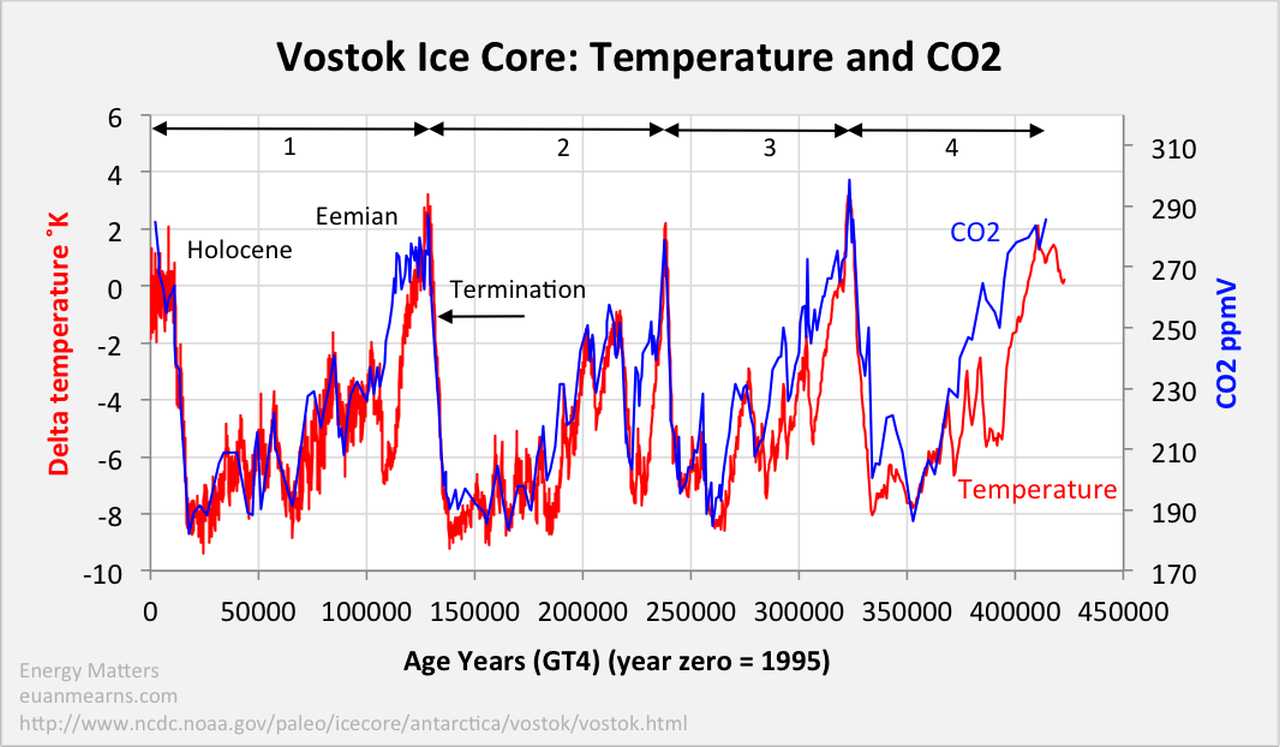
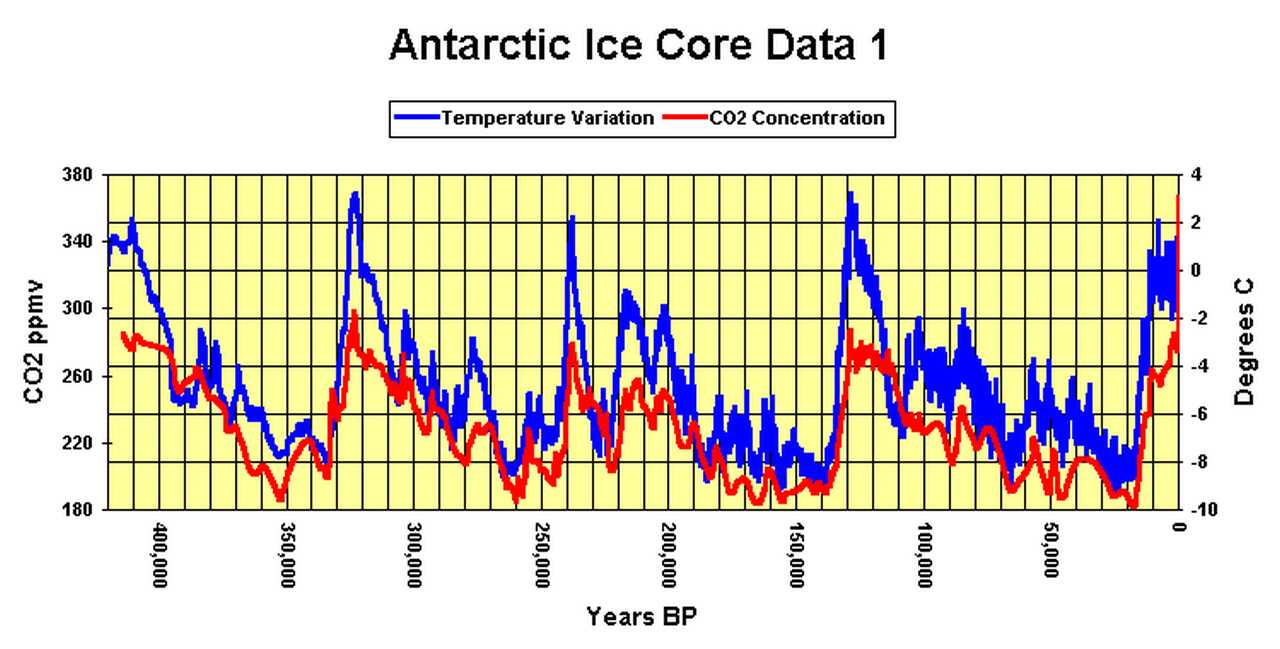
- data from ice core
- contamination? 1 , 2 , 3 , 4 , 5 (note the surgical mask), 6 (microbiological sample!)
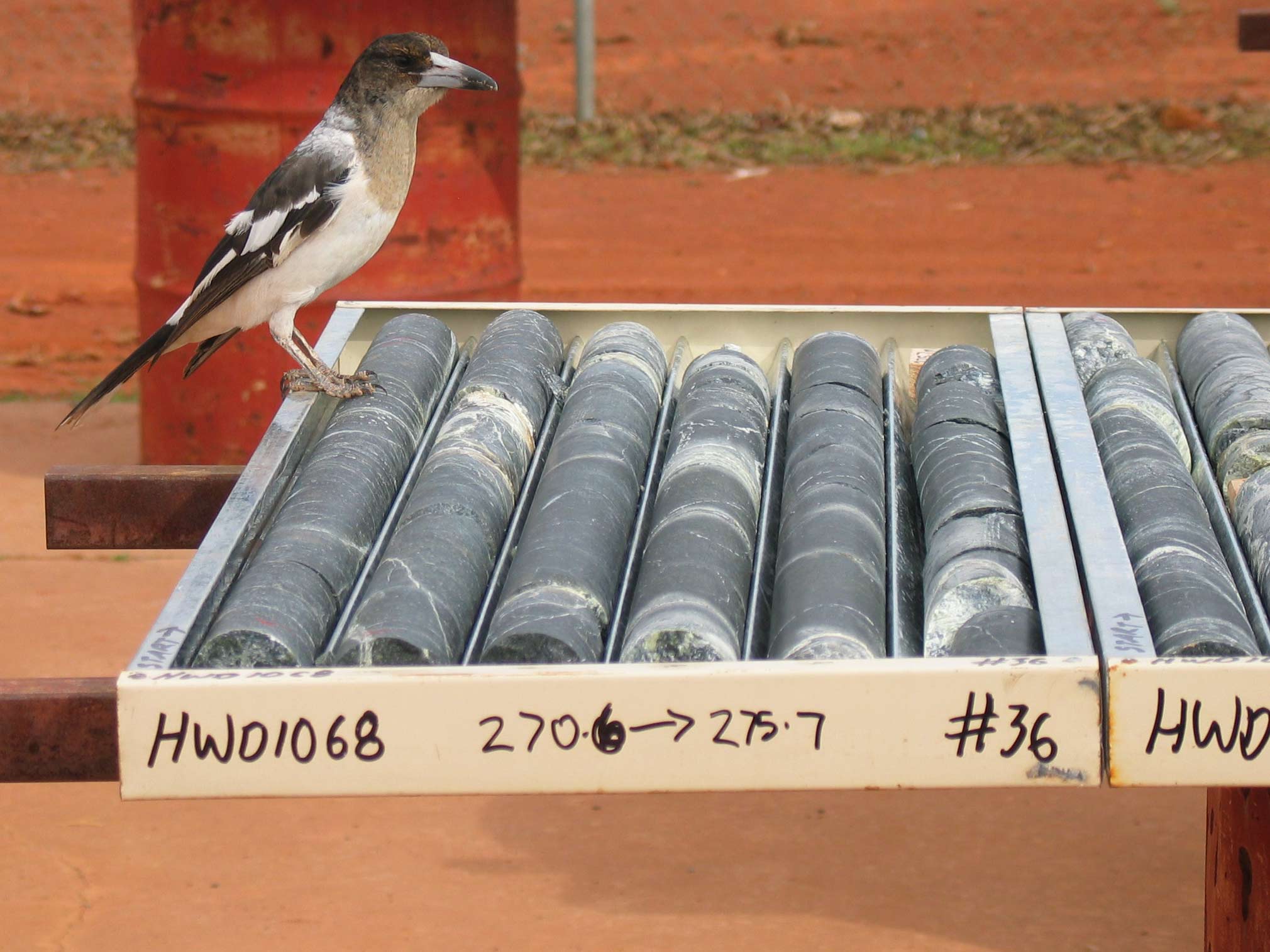
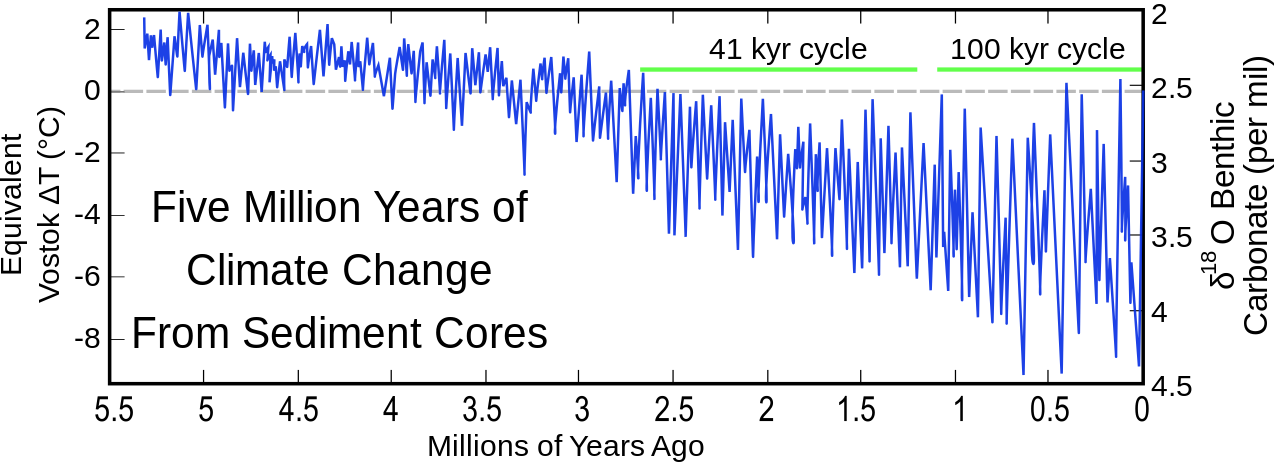
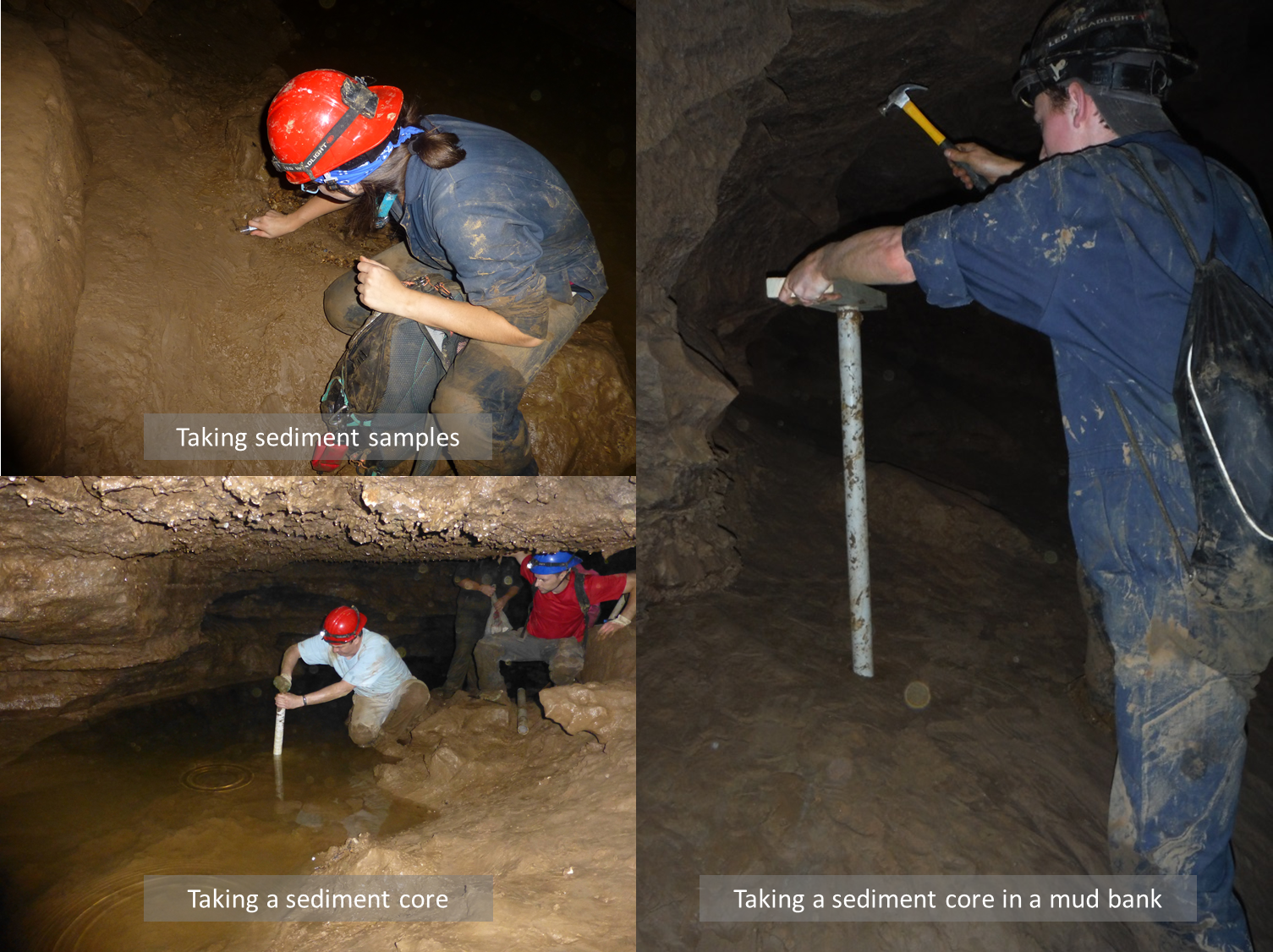
D. Dust / Sediment Layers (contamination?) (graph), and Cave Studies
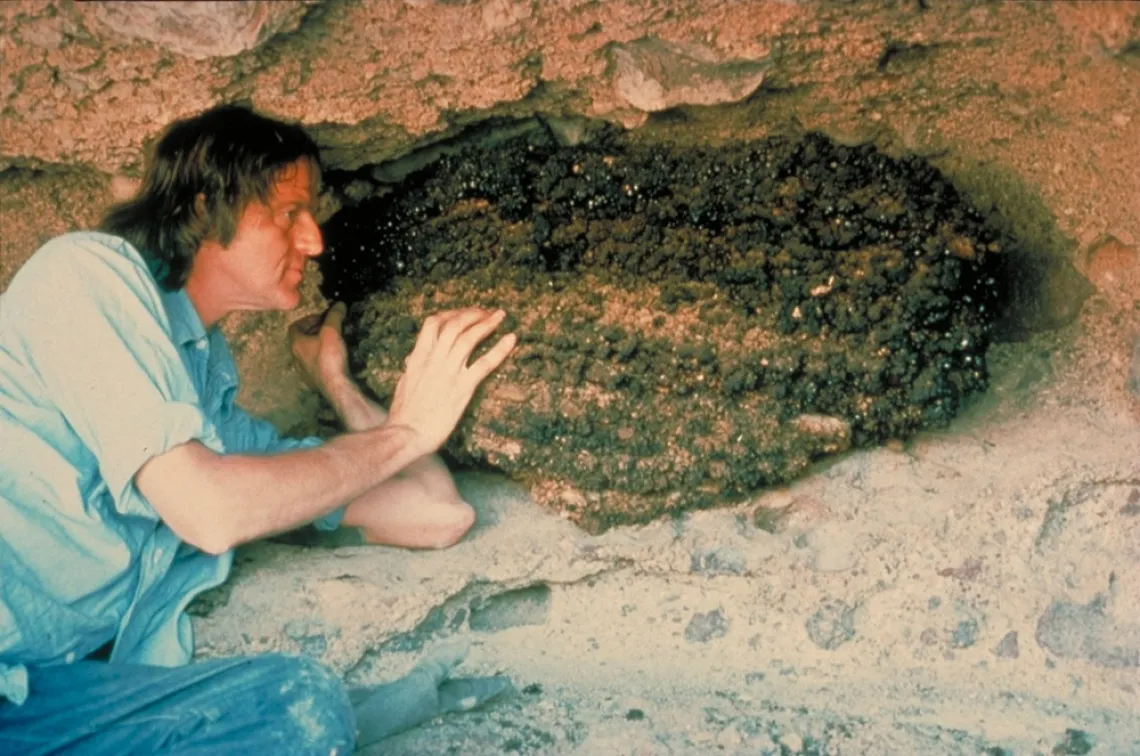
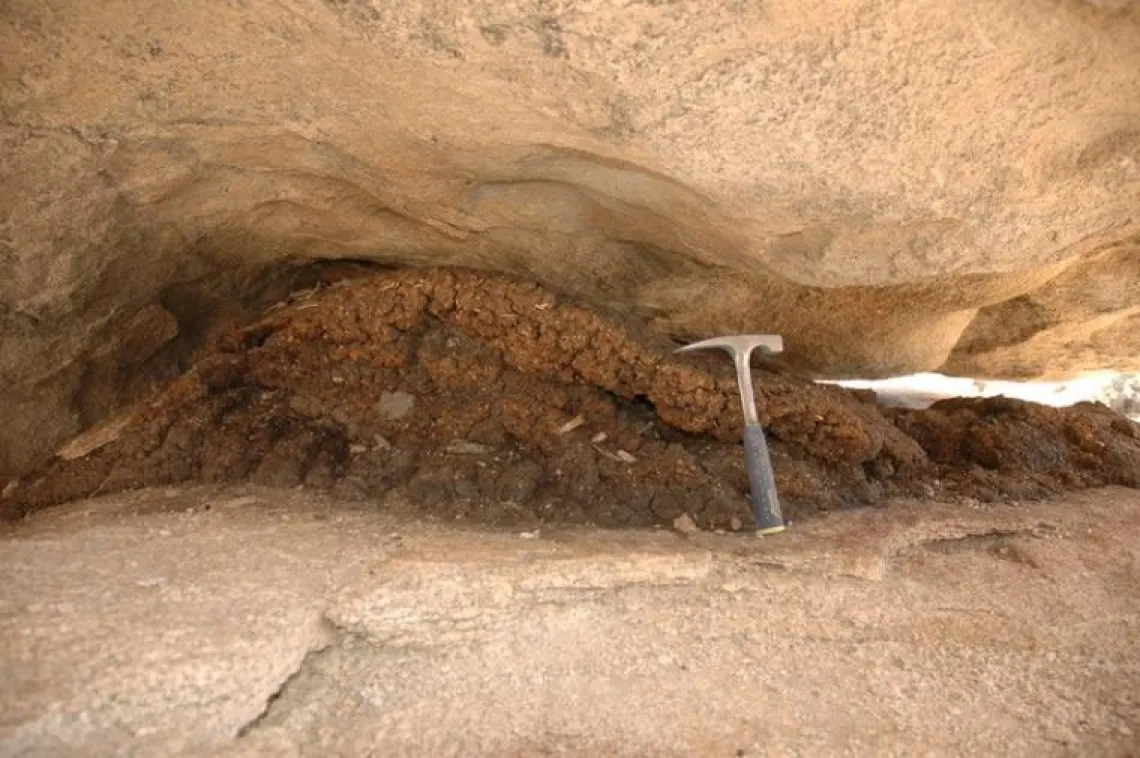
E. Pollen (palynology) and Pack Rat Middens
- pollen studies: assumptions in interpretation
- type(s) of vegetation present originally?
- natural interference? wildfire? windy storms?
- succession in progress?
- radiocarbon dating used (see below)
- middens found up to 40,000 years old
- crystallized urine (slows decay of material)
- arid climate = desiccates material
- middens in caves = protect from weathering
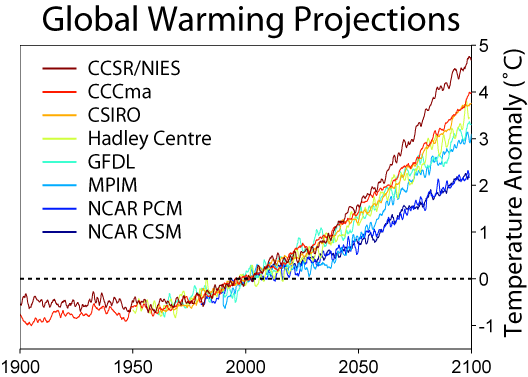
F. Climate Models
- what is a model?
- global circulation models (GCMs)
II. MECHANISMS, PROCESSES, THEORIES
A. Dating Methods
- carbon dating
- atoms: protons & neutrons surrounded by electrons
- atomic weight = protrons + neutrons
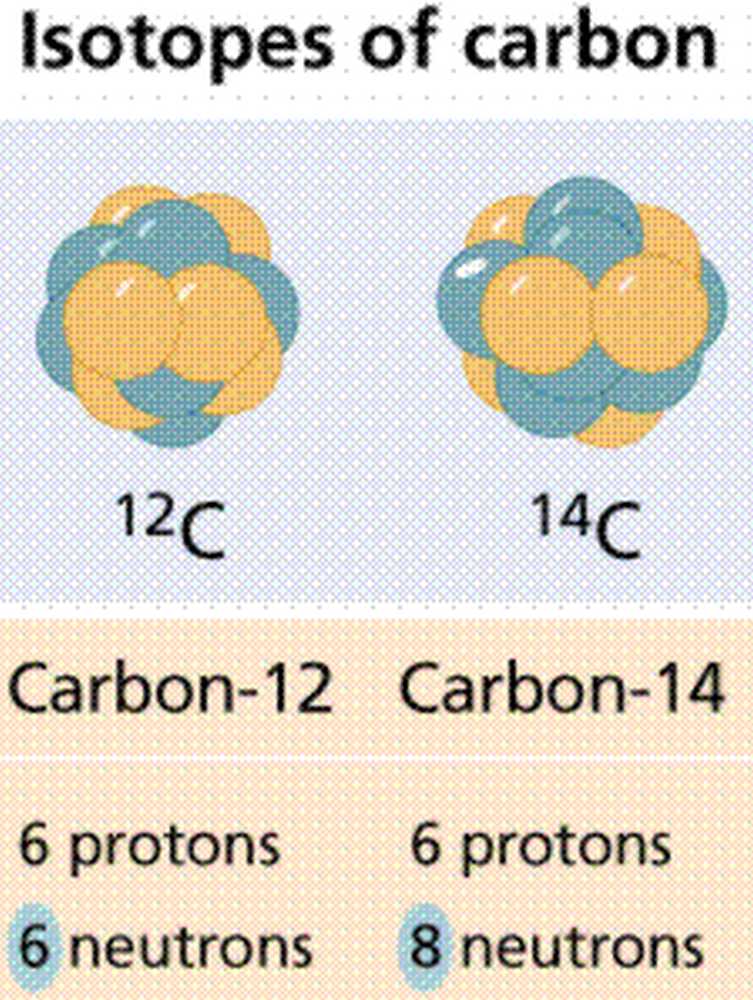
- carbon = 6+6 = 12C
- 12C ≈ 99% of all carbon on Earth (13C ≈ 1% of all carbon)
- the value of a proton: 6 protons = carbon; 7 protons = nitrogen
- 12C vs. 14C vs. 14N
- 14N = 7 protons, 7 neutrons
- electron collision (via solar radiation) can change proton to neutron
- = 6 protons, 8 neutrons = 14C
- method only works on biological material
- assumptions:
- solar radiant energy constant
- decay rate constant
- amount of C and N constant (since time of death)
- calibration using tree ring data
- i.e. carbon dating did not match tree rings
- tree rings = 4K yrs vs. 14C = 600-700 years off
- assumption: tree rings more accurate than 14C
- assumption: that tree rings = one per year
- etc.
- Purdue-Stanford Research finding: half-life NOT constant
- accuracy? error margin... 50,000 year limit
- glacier = 25K yrs vs. peat under glacier = 11,400 yrs
- burning of fossil fuels? = increases 12C = 14C ratio diluted
- nuclear tests and explosions? = 14C increased
- potassium/argon dating
- no Ar in new minerals (lava/magma); 40K decays to 40Ar
- i.e. fresh lava / magma should = 0 Ar
- assumptions:
- proportions of K-Ar same as today
- no Ar to begin with in sample
- *problem: some lava today shows presence of Ar
- rubidium-strontium dating and other methods
B. Agreement Among the Various Records?
- tree ring data ; pollen data
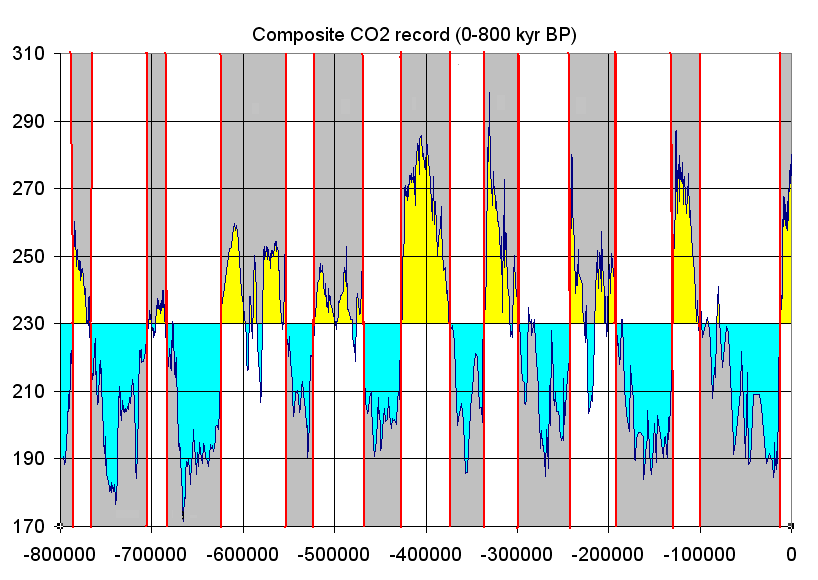
- CO2 levels and temps
- ice core data
- sea level change -- depends on what time frame you choose!
C. Glacial vs. Interglacial Periods
- ice age vs. warm period
- where are we today?
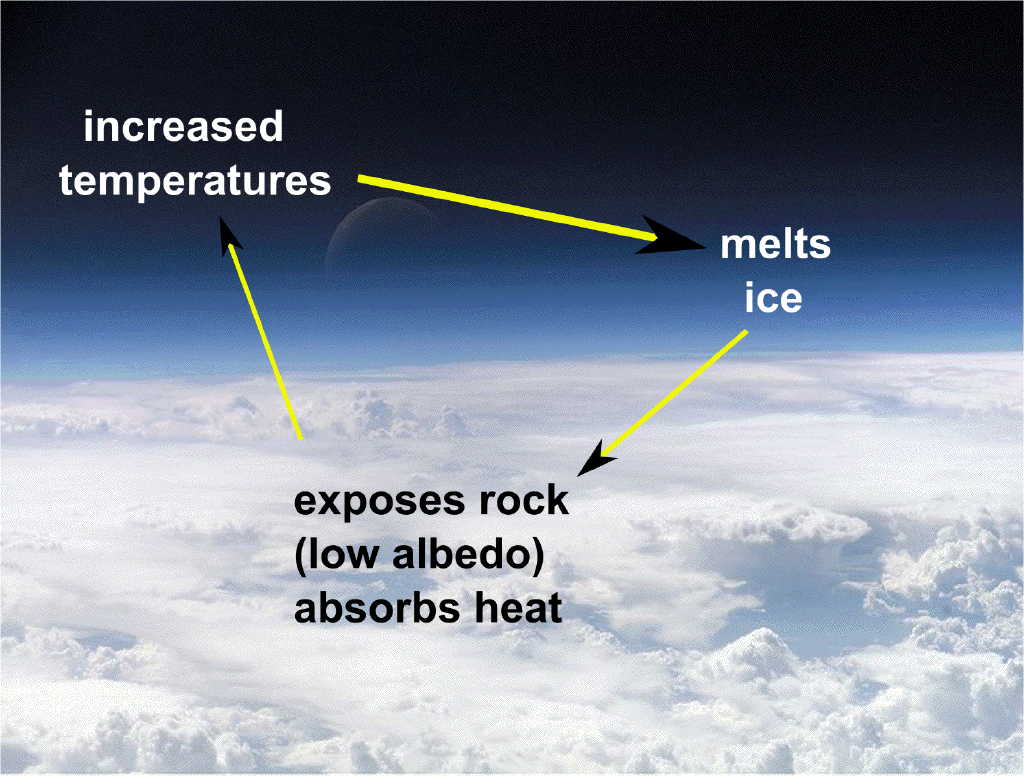
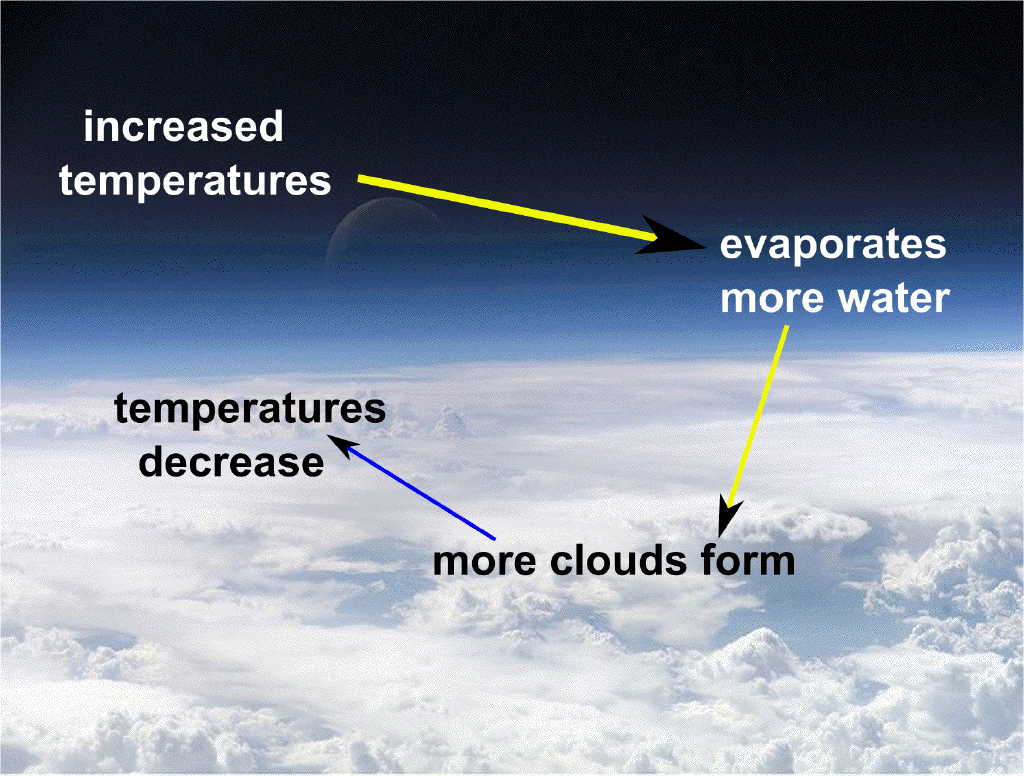
D. Feedback Mechanisms
- positive
- negative